• About

Prescription for Adventure

~ by Naomi Gaede Penner

Prescription for Adventure

Author Archives: Naomi Gaede Penner

Back to School: Mukluks and Mittens

31 Saturday Aug 2013

Posted by Naomi Gaede Penner in Alaska - Tanana, Uncategorized

≈ Leave a comment


  1. What are your grade school memories?
  2. What was your school building like?
  3. Who were your favorite friends?
  4. Did you wear anything specific to school?
  5. Have you revisited any of your schools?

 Flying from Fairbanks to Tanana

Flying from Fairbanks to Tanana

On May 2, 2013, I flew out of Fairbanks, Alaska to visit the school I’d attended in third grade — When my father had been the Public Health Service physician at the hospital.  An hour and 20 minutes later the Piper Navajo touched down at Tanana, an Athabascan Indian village along the still-frozen, mile-wide Yukon River. The road to the school was a mix of semi-frozen mud, icy snow, and puddles with a light glaze of frost. I was glad for my tall rubber boots.
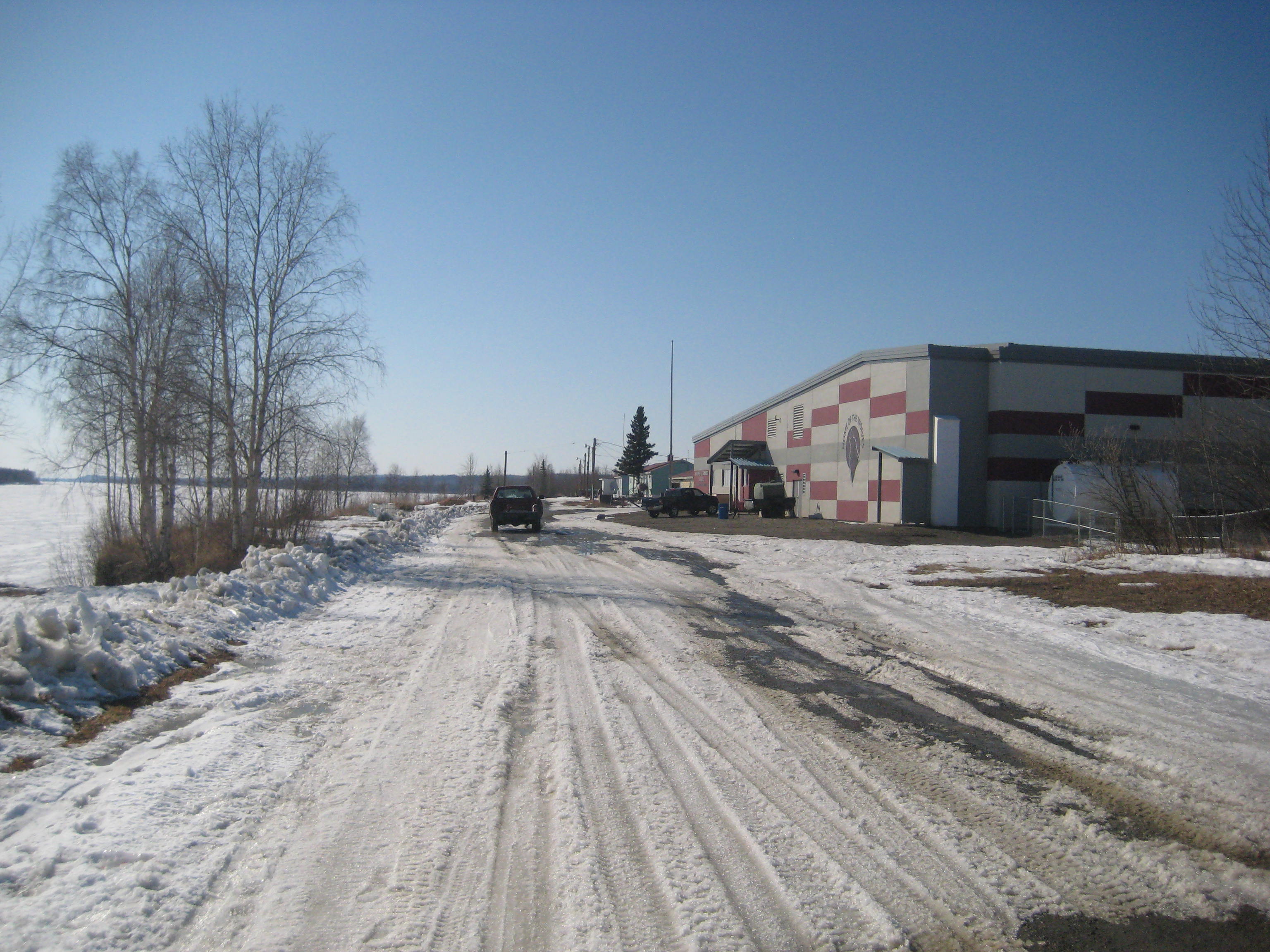
Front Street in Tanana, looking forward the school

Front Street in Tanana, looking toward the school

My purpose was to show slides to the students and share the history of their school; and, I was curious to see how the school facility had weathered over time – and what memories would be evoked by walking the hall again.

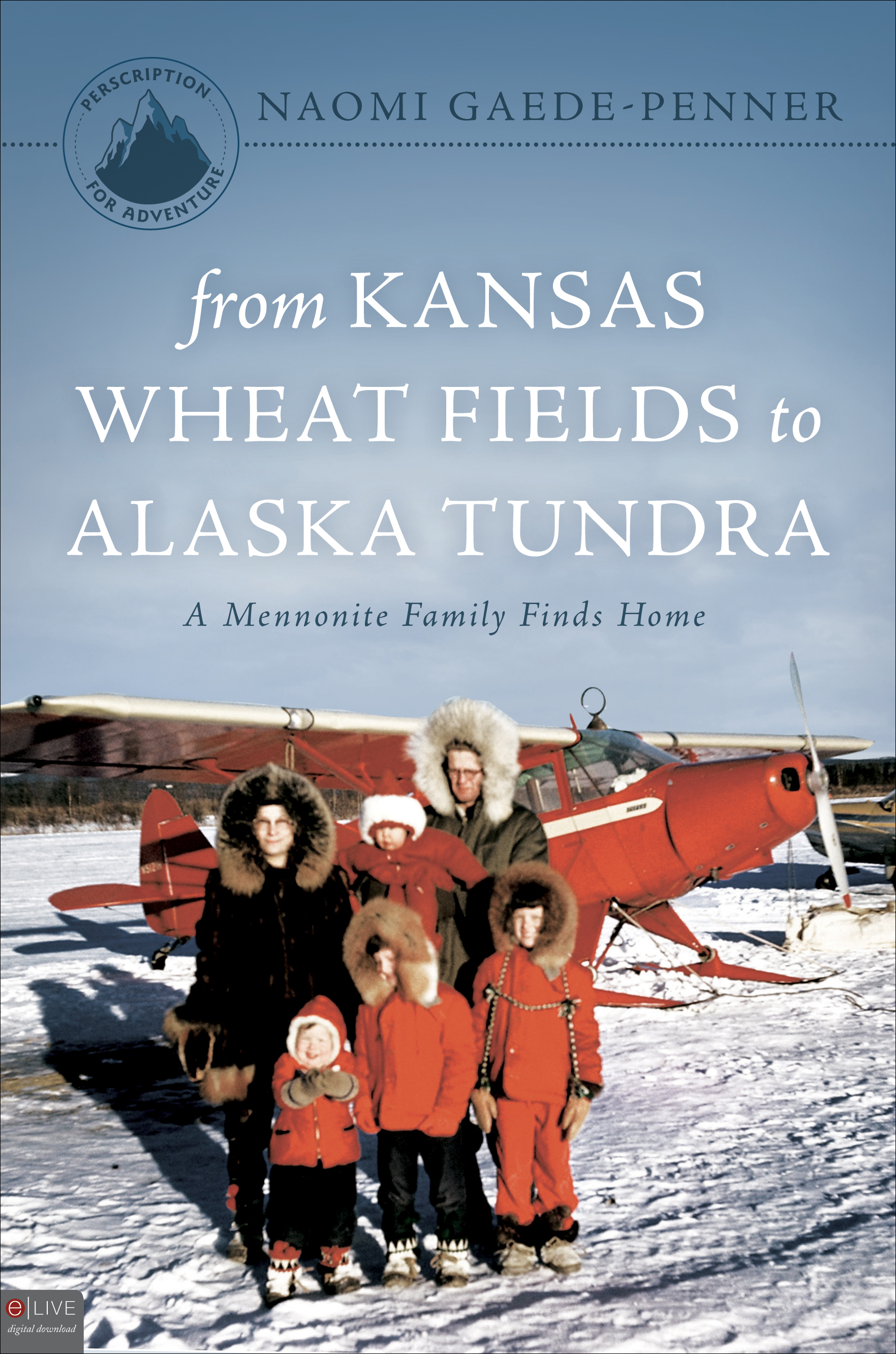
To get the students’ attention, I pulled out the moose skin and rabbit-trimmed mittens, and the moose skin mukluks, I’d worn as a little girl in the village. I held up my book, From Kansas Wheat Fields to Alaska Tundra, which showed our family picture with me wearing those items.
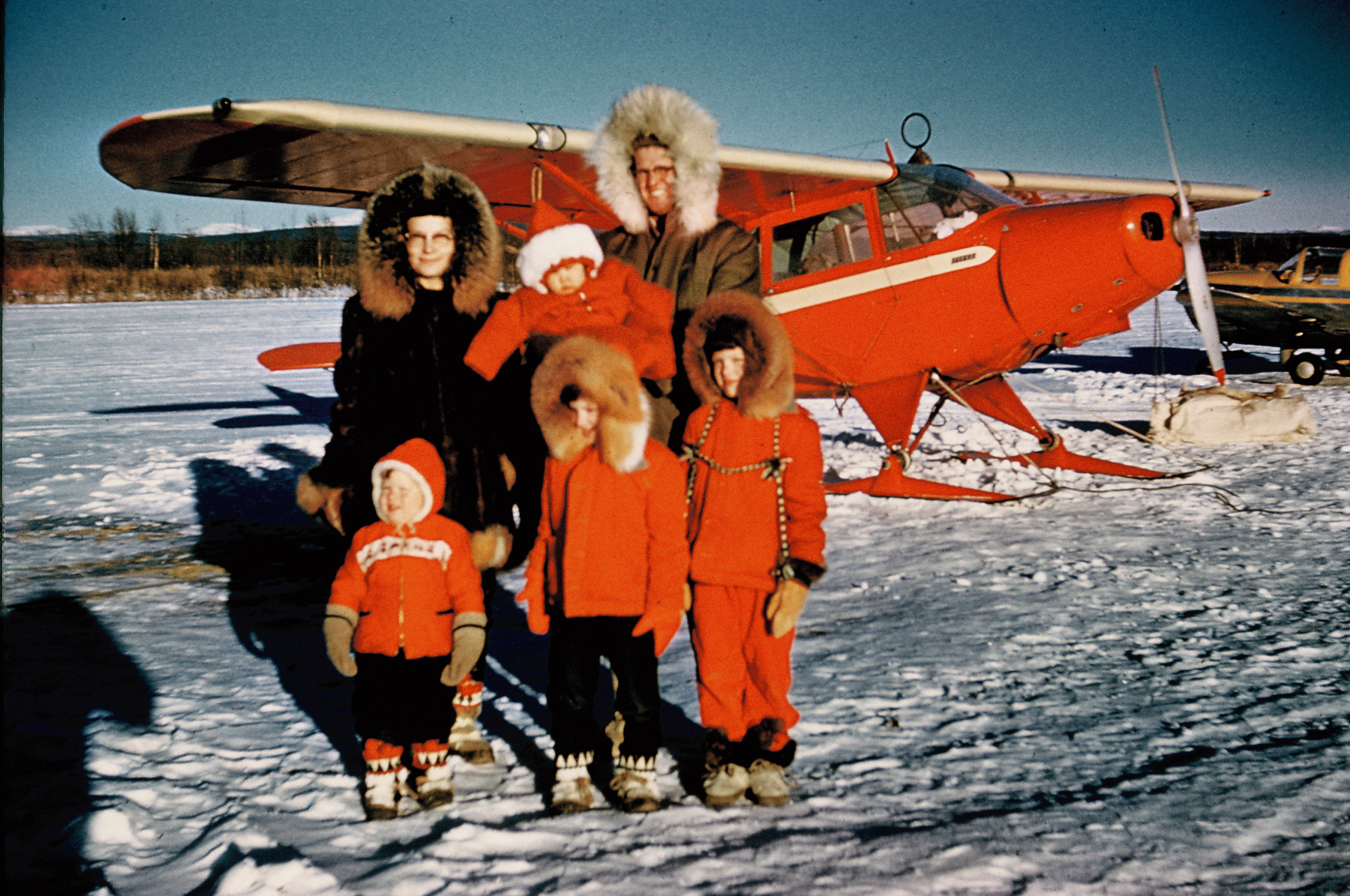
Wearing my mukluks and mittens for our Christmas picture in Tanana

Wearing my mukluks and mittens for our Christmas picture in Tanana


They were hooked. I jumped in with questions. Their hands waved with answers and their eyes twinkled with fun.
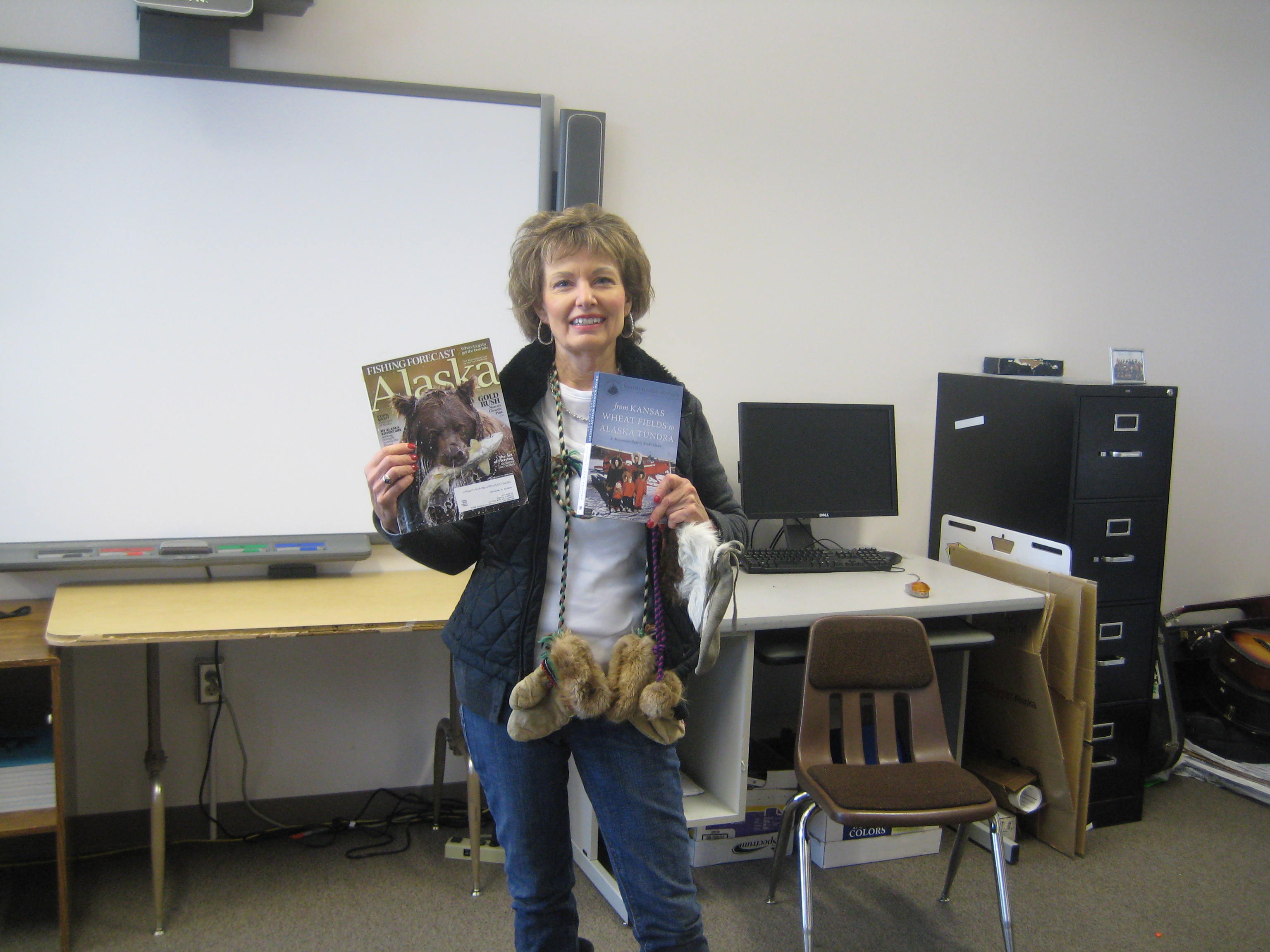
My childhood mukluks and mittens

My childhood mukluks and mittens

“How many people live in Tanana today?  After a group discussed reply, they agreed: Either 206 or 207.

“Before this school was built, where was school held?”

No one raised a hand.

I replied, “Quonset huts, or shelter wells as some people called them, with oil stoves and with electricity strung from the hospital generator.  No plumbing, no windows. Can you imagine trying to hang a writing board on a round wall? Or put a bookshelf against a curved partition?”
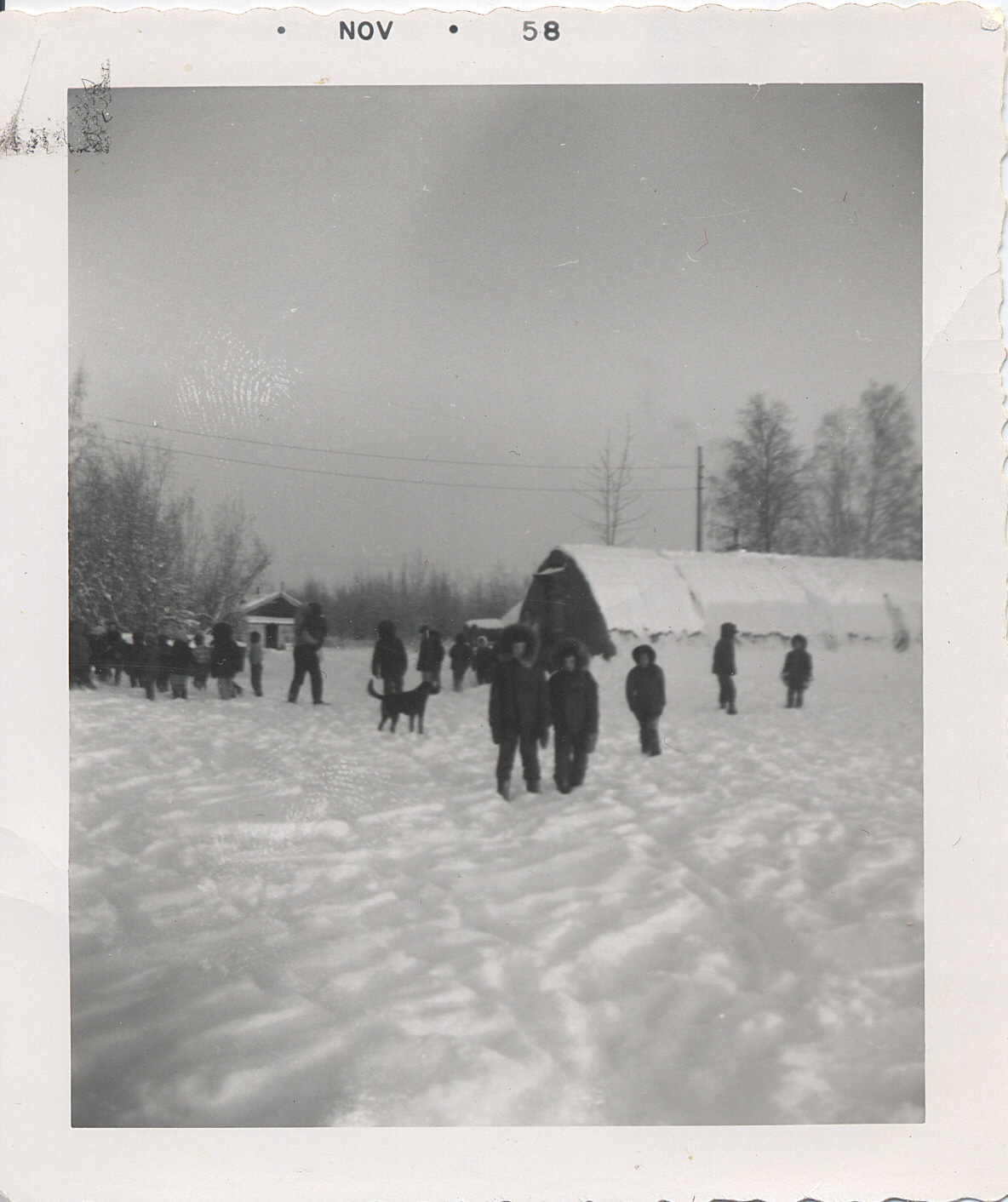
School in Quonsets in Tanana

School in Quonsets in Tanana

The children laughed. The teachers shook their heads and grimaced.

“Do you know who this school was named for?” I asked.

Not a hand shot up. The adults nudged one another and whispered.

“Maudry Sommers. Her children were my classmates. I thought her son, Chris, was the cutest little boy I’d ever seen: curly red hair, freckles, and brown eyes – they were the only red-haired Athabascans on the Yukon River.
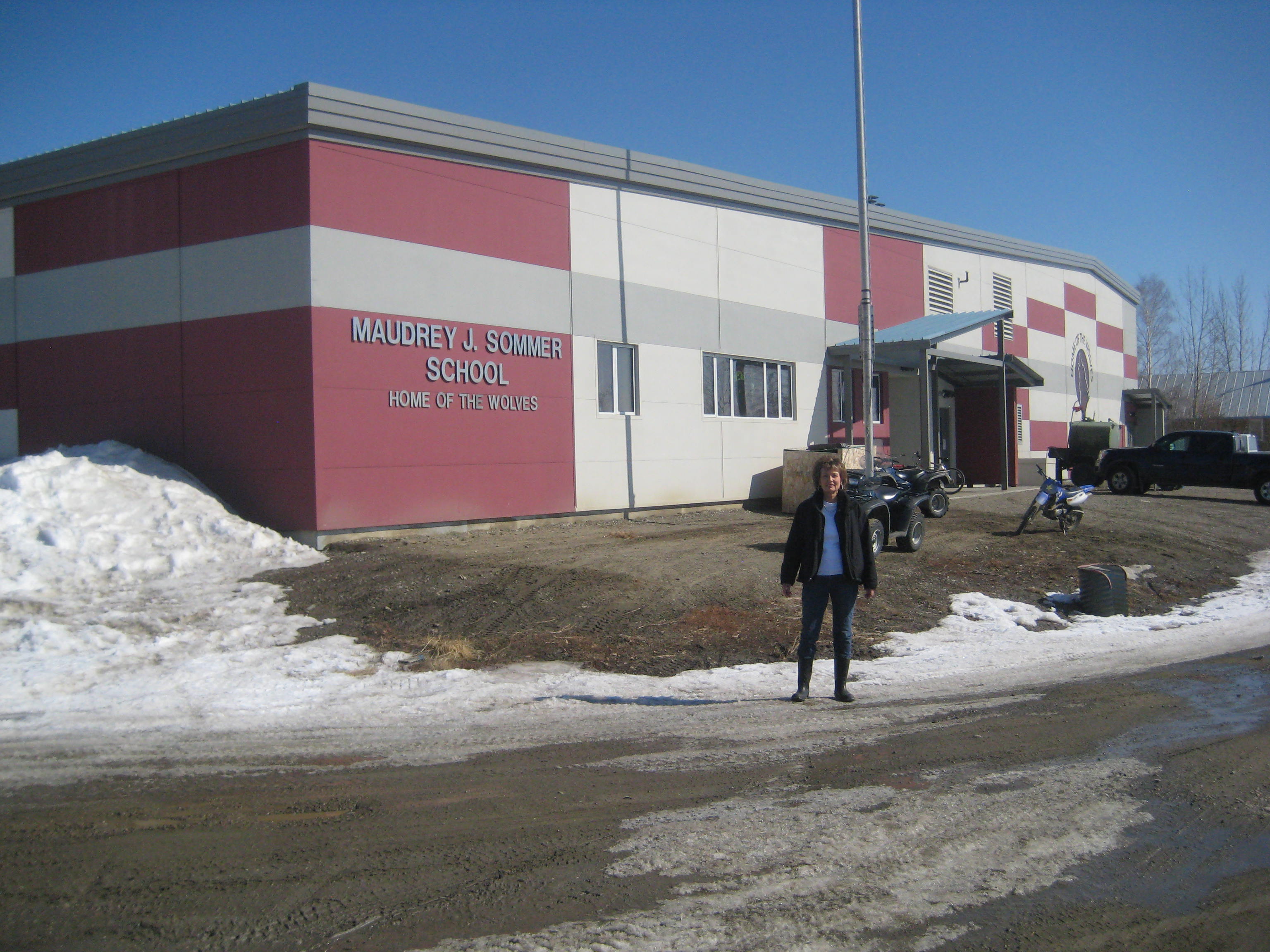
Maudry SommerSchool

Maudry SommerSchool

The girls giggled. The boys grunted.

“I saw Chris, downriver, at Galena, last year. At one time, he was the chief.”

The time flew by. I learned from their responses as much as I taught them.

I concluded by saying, “You can read about school back then, in ‘A’ is for Alaska: Teacher to the Territory.
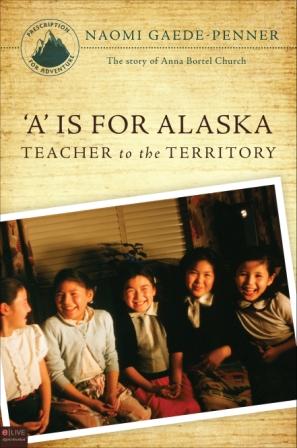
Marie Sommers is the girl on the far left

Marie Sommers is the girl on the far left

The younger students wanted to try on the mittens and touch the mukluks. The adults examined the handwork and stitching. The older girls thumbed through my books. I passed out bookmarks. The librarian purchased all four titles.

Mukluks and mittens are a part of my school memories, along with outhouses, insulation drifting down in the Quonsets, wearing corduroy elastic-waist slacks beneath my dresses, and snacking on government school subsidies of powdered milk mixed with snow, tomato juice, and sharp cheddar cheese.
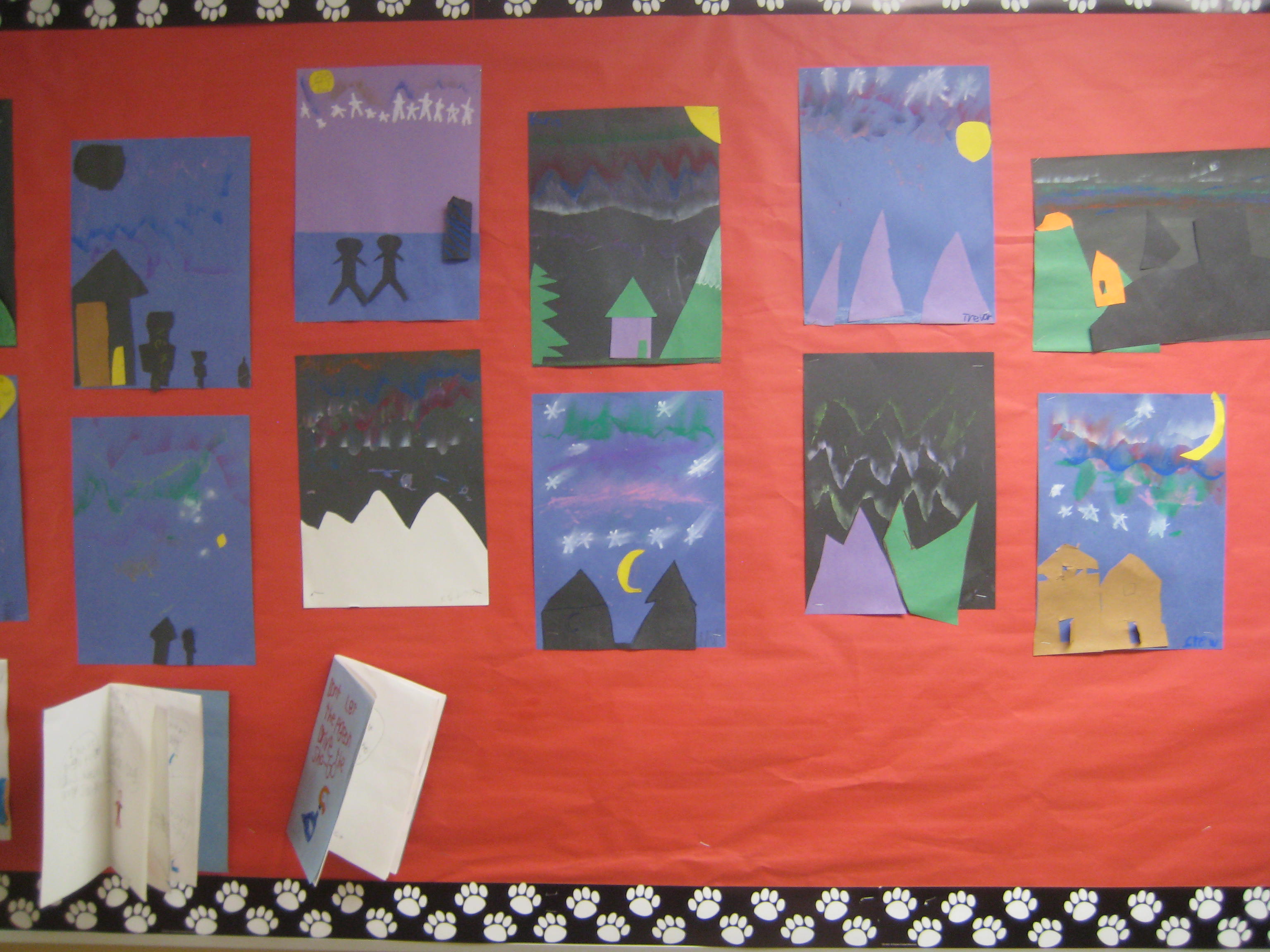
Student art in the hallway of the Tanana School

Student art in the hallway of the Tanana School

(Tanana is the location of the reality TV show, “Yukon Men.” I learned from the villagers that the show is not much about reality, but mostly conjured up drama.)

This article was first-published in the August/September 2013 issue of “The Country Register (KS)”  http://www.countryregister.com/crpublishers/kansas/pdfs/AS-13paperweb.pdf
 

Share this:

  • Click to share on Facebook (Opens in new window) Facebook
Like Loading...

Little House on the Prairie —or the Big Woods— or Tundra

29 Monday Jul 2013

Posted by Naomi Gaede Penner in Gaede-80 Homestead, Inspiring Adventures

≈ 2 Comments

For decades, I wanted to visit the place where Pa and Ma Ingalls, of Little House on the Prairie, had homesteaded in South Dakota. In July, 2013, I did just that.

A dream come true!

A dream come true!

Homesteaders are a hardy lot — with a hardy sense of adventure; or perhaps it is more about hope – hope for a better life, better occupation, better cash flow, better piece of ground, or better opportunity.  “Your father seeks out adventure,” my mother confided. “I do not.” Regardless of her bent, she was an adventure — and a homesteader.

Little House in the Big Alaska Wilderness

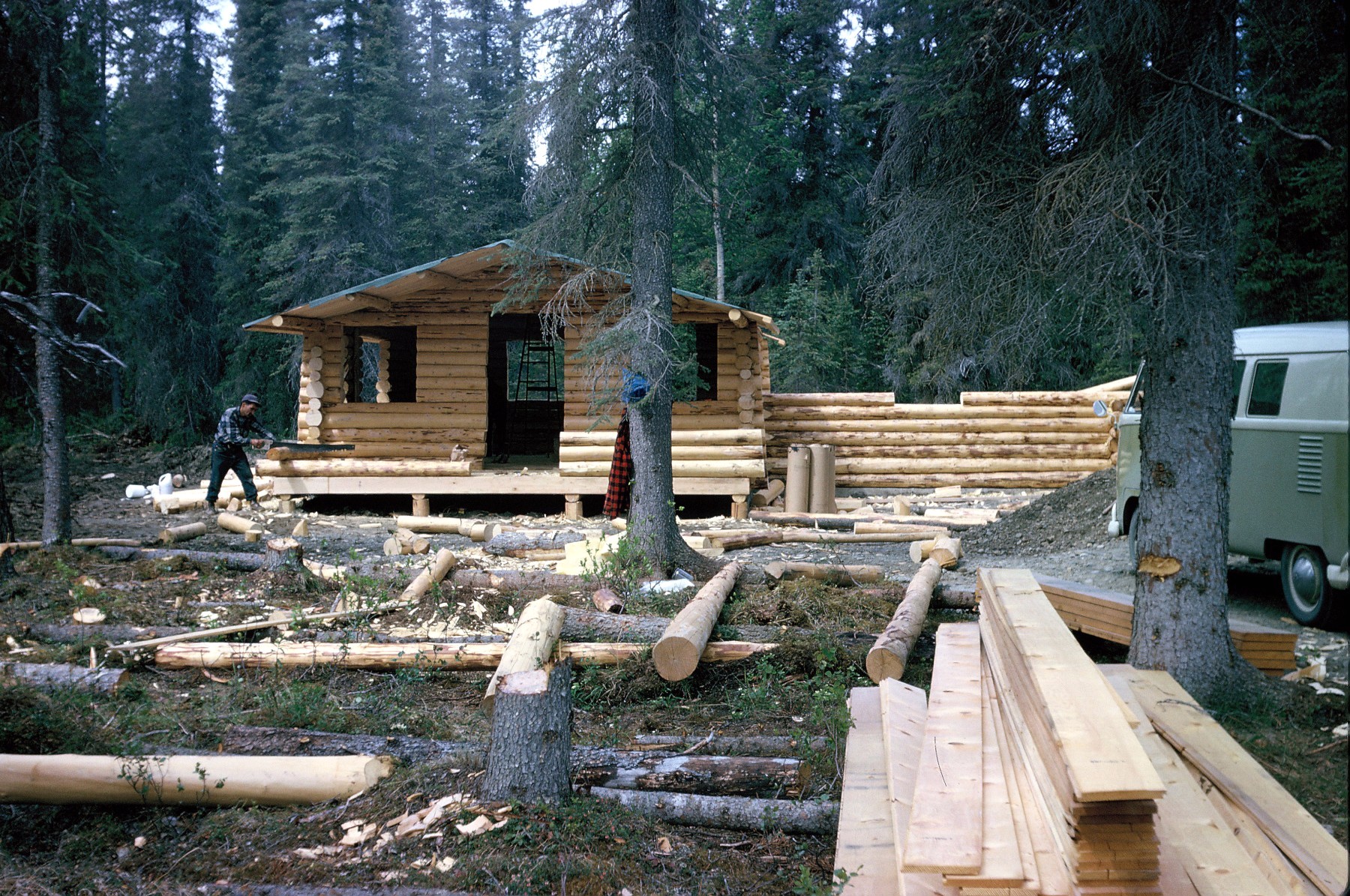
Little House in the Big Alaska Wilderness

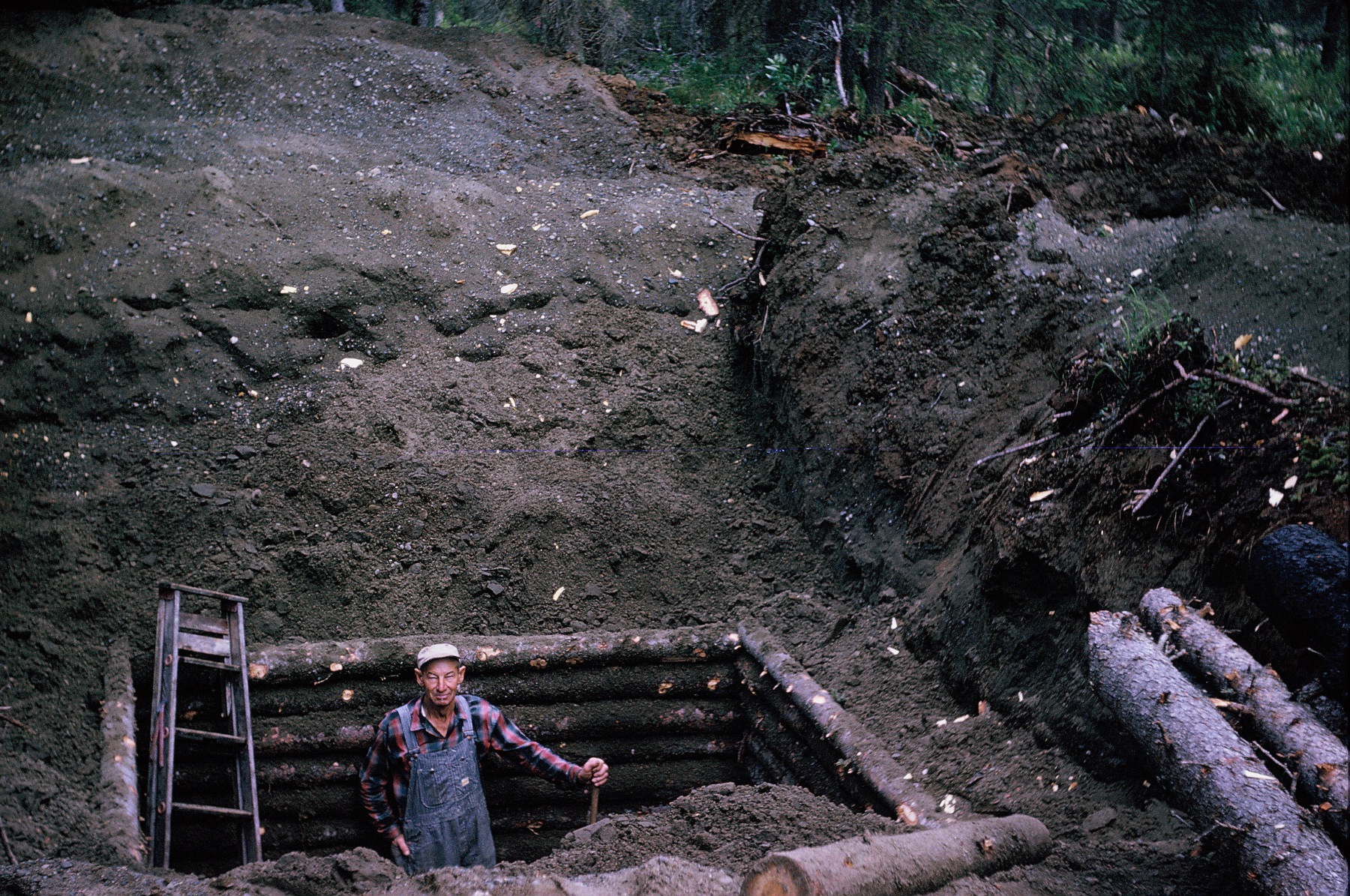
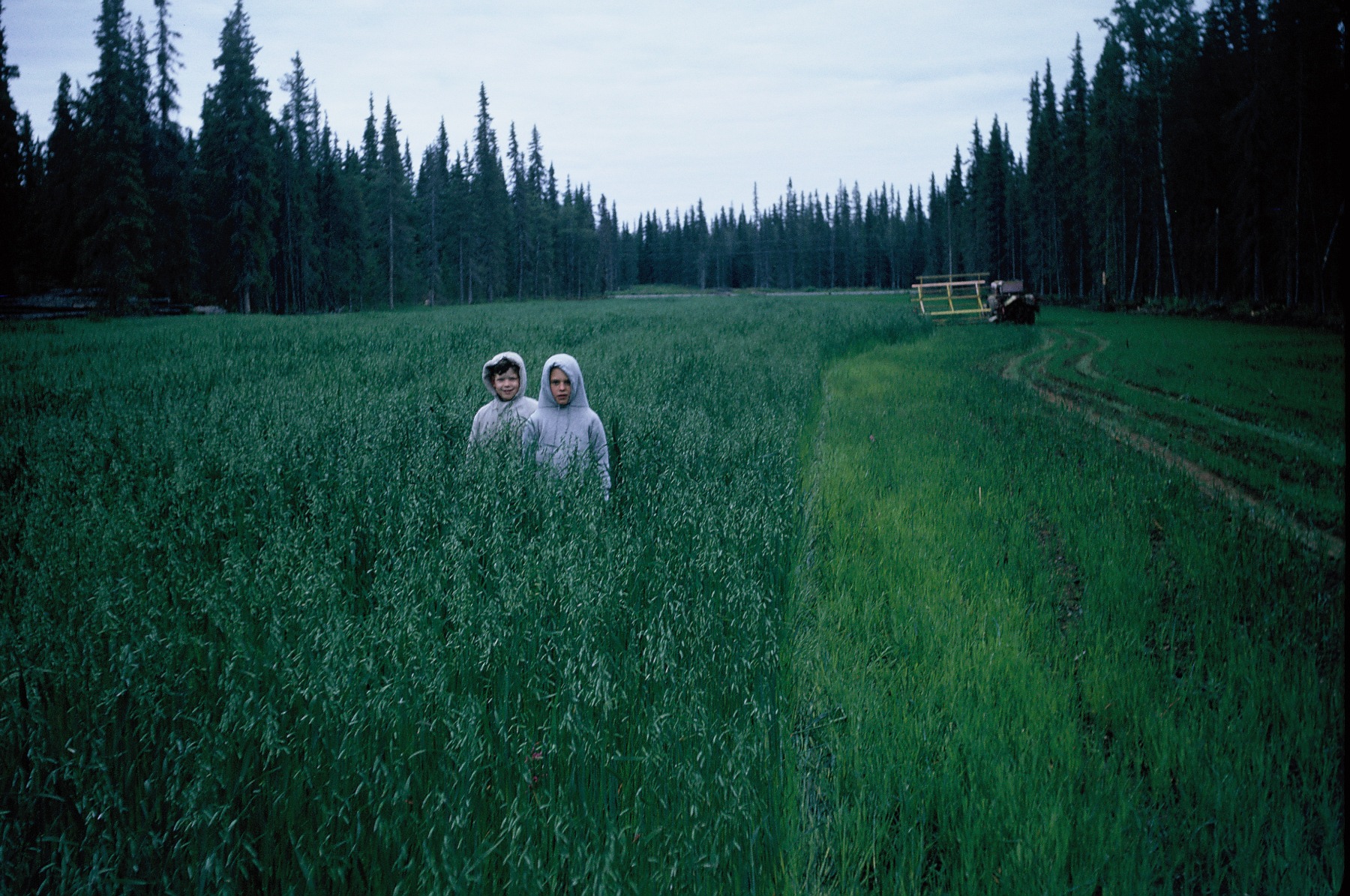
Dad and Mom were farm kids who had known land — both good and bad, both their own and sharecropped, In Alaska they homesteaded with the hope – and pride – of calling  a piece of land their own. They spent three cold and thigh-deep snowy winters clearing 8 to 10 acres — by hand—for a house, cabin, barn, hangar, outbuildings, garden, and a half-mile long airstrip. I spent five minutes straddling a log and attempting to strip the bark before running off to play and handing off the blade to Mom. My grandmother bleached the newly peeled cabin logs. My grandfather dug a septic tank. Mom tilled the garden, hauled water for irrigation, and fought off moose. I nibbled on tender carrots and savored juicy strawberries. Dad tried to grow oats. He and Mom fought  the natural elements— the below zero temperatures, the tinder-dry black spruce and fear of forest fires, the short growing season, and the springtime road-turned-bog. We all battled mosquitoes as aggravating as grasshoppers and crows on the Midwest prairie land.

Grandpa Solomon Leppke digging the septic for the cabin

Grandpa Solomon Leppke digging the septic for the cabin

Mark Gaede and David Isaak on the "proved up" acreage -- "Gaede Private airstrip."

Mark Gaede and David Isaak on the “proved up” acreage — “Gaede Private airstrip.”

Through my little-girl eyes, Laura Ingalls’ life was idyllic – even in blizzards, droughts, and pestilence. My sister and I played the parts. I was Pa and she was Ma.

Laura’s stories jumped to life when Mom let us order a cover for our red American Flyer wagon. Inside this covered wagon, we piled dolls, stuffed animals, and our black Pekingese. We jolted to the wild frontier of our backyard of rocks, roots, and dirt clods. Now we had work to do, but we were up to it. We gathered cranberries to feed our collection of children.

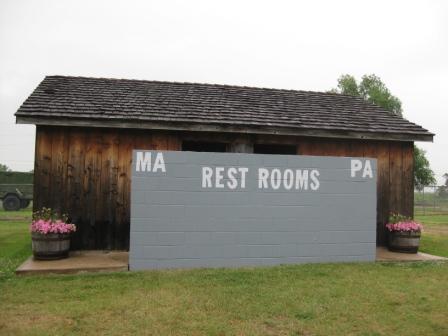
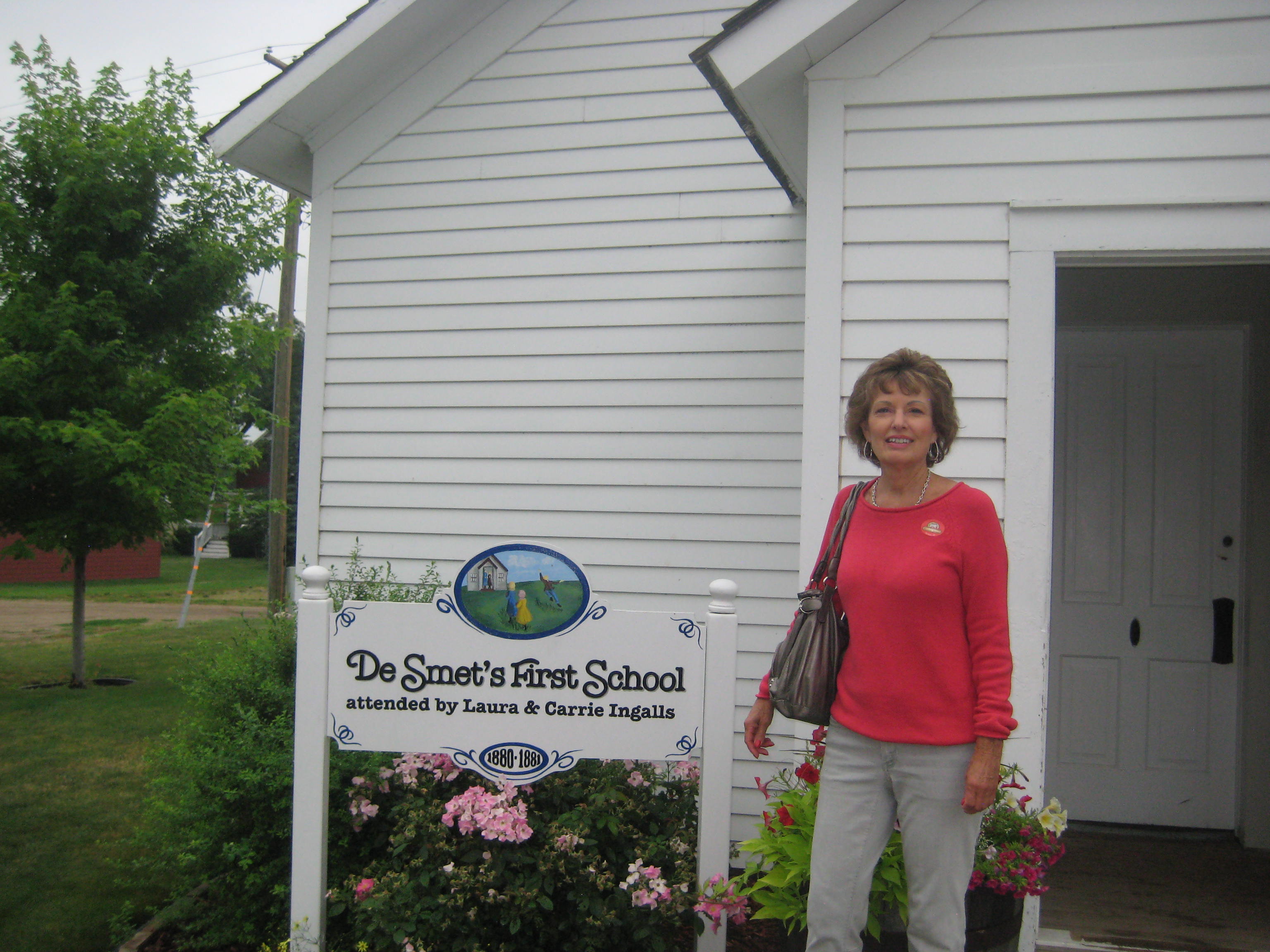
Ma and Pa restrooms in De Smet - 2I read Laura’s stories as a child.

I was a hardy homesteader — as a child.

In De Smet, South Dakota. I toured Laura Ingalls’ house, schools, town, homesteads, and cemetery. I was an adult, and I recognized the reality behind her endearing stories.

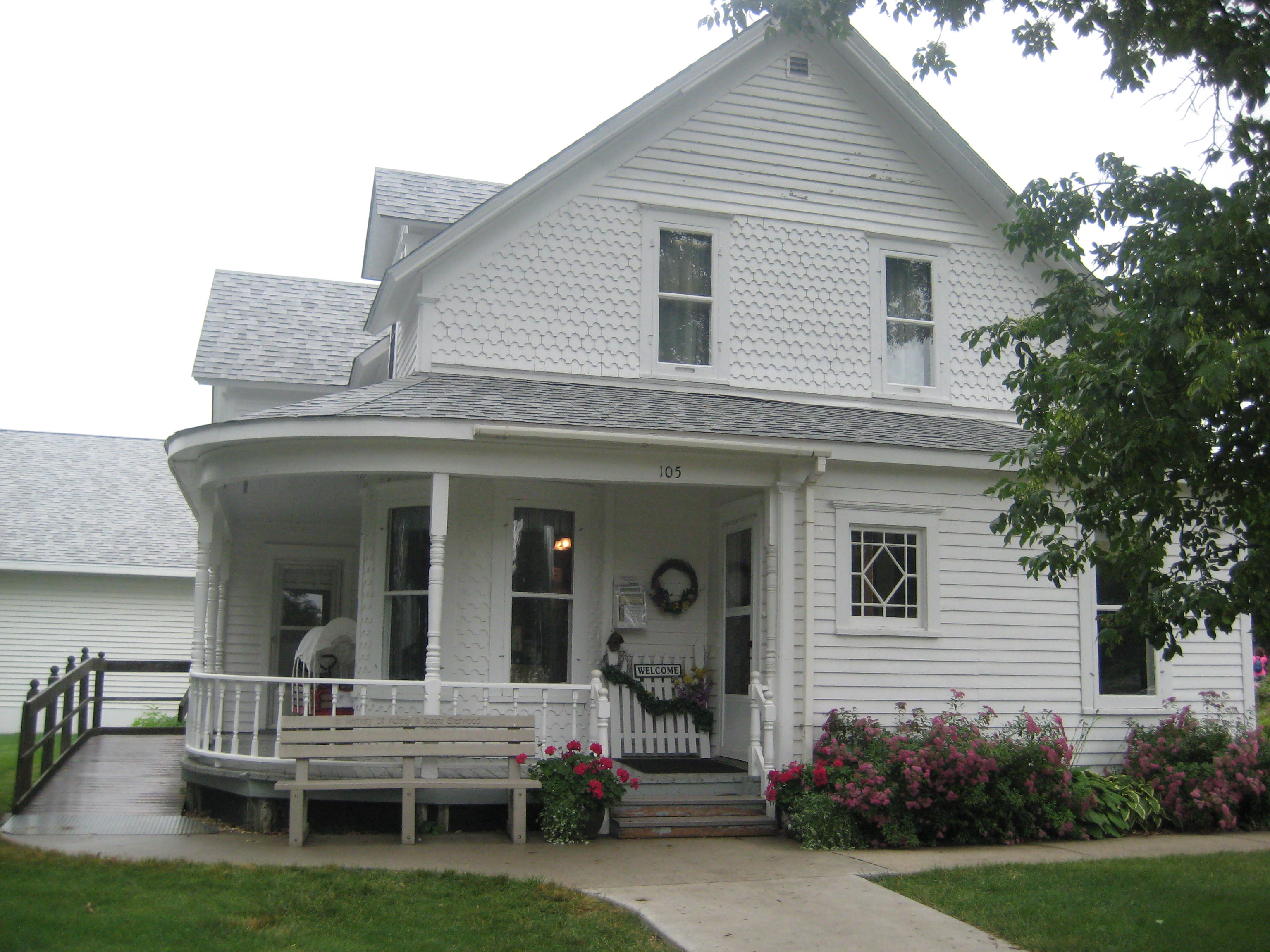
One of the Ingalls' houses in De Smet

One of the Ingalls’ houses in De Smet

No matter where or when a homesteader homesteads, they are greeted by similar hard work, isolation, weather issues, goodbyes to family and friends, and stretched money.

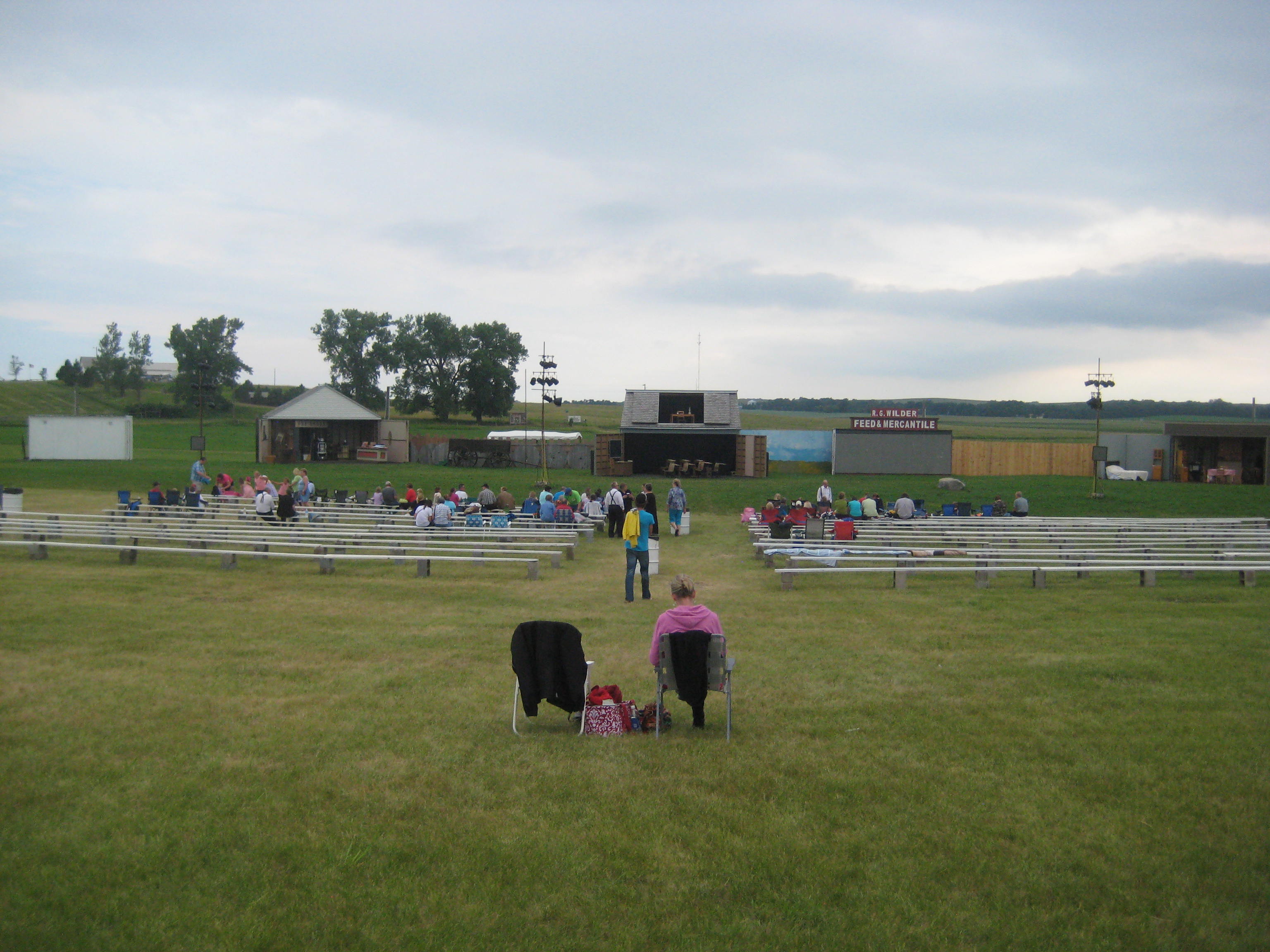
No matter the reality, in 2013, I was just as enthralled by the “Little Town on the Prairie” outdoor pageant, as I’d been as a gradeschooler reading, Little House in the Big Woods.

Little Town on the Prairie Pageant

Little Town on the Prairie Pageant

One of my manuscript critiquers for From Kansas Wheat Fields to Alaska Tundra: a Mennonite Family Finds Home grew up on Nebraska farmland. He devoured the chapters about homesteading in Alaska; he admitted that as a kid, he’d read all the Laura Ingalls’ books, too.

After the book was in print, a reviewer told me, “Your Kansas – Alaska” book is just like a “Little House” storybook. I smiled. That was the highest compliment I could wish for.

KS Wheat Fields-AK Tundra Book CoverTo learn more about the Ingalls’ family history in De Smet go to:

http://www.desmetpageant.org/

Over the years, the Laura Ingalls Wilder Pageant has become a local tradition. Each summer more than a hundred volunteers combine their talents to present a family-friendly drama based on the writings of Laura Ingalls Wilder. People from all over the world gather together on the beautiful South Dakota Prairie and step back into history to a time when the West was just opening up to a wave of pioneering men and women. It is our goal to preserve–through drama–the family values and pioneering spirit of the Ingalls family.


Share this:

  • Click to share on Facebook (Opens in new window) Facebook
Like Loading...

Dad — Tell me a Story

15 Saturday Jun 2013

Posted by Naomi Gaede Penner in Holidays and Special Occasions

≈ 1 Comment

cropped-blogheader3.jpg

Saving and re-telling the stories

Saving and re-telling the stories  

           I grew up believing that suppertime and story-time were synonymous. Dad gulped down his food, like most physicians who expect to be called out at any minute, and while we children finished our mashed potatoes and gravy, he told stories. I listened spellbound to his accounts about the patient with a strange rash, the caribou that pranced like Dancer right up to his airplane when he was hunting, and how he fixed the hole in his Piper J-3 float with a kerchief and a stick. Those stories turned into my first book Alaska Bush Pilot Doctor.

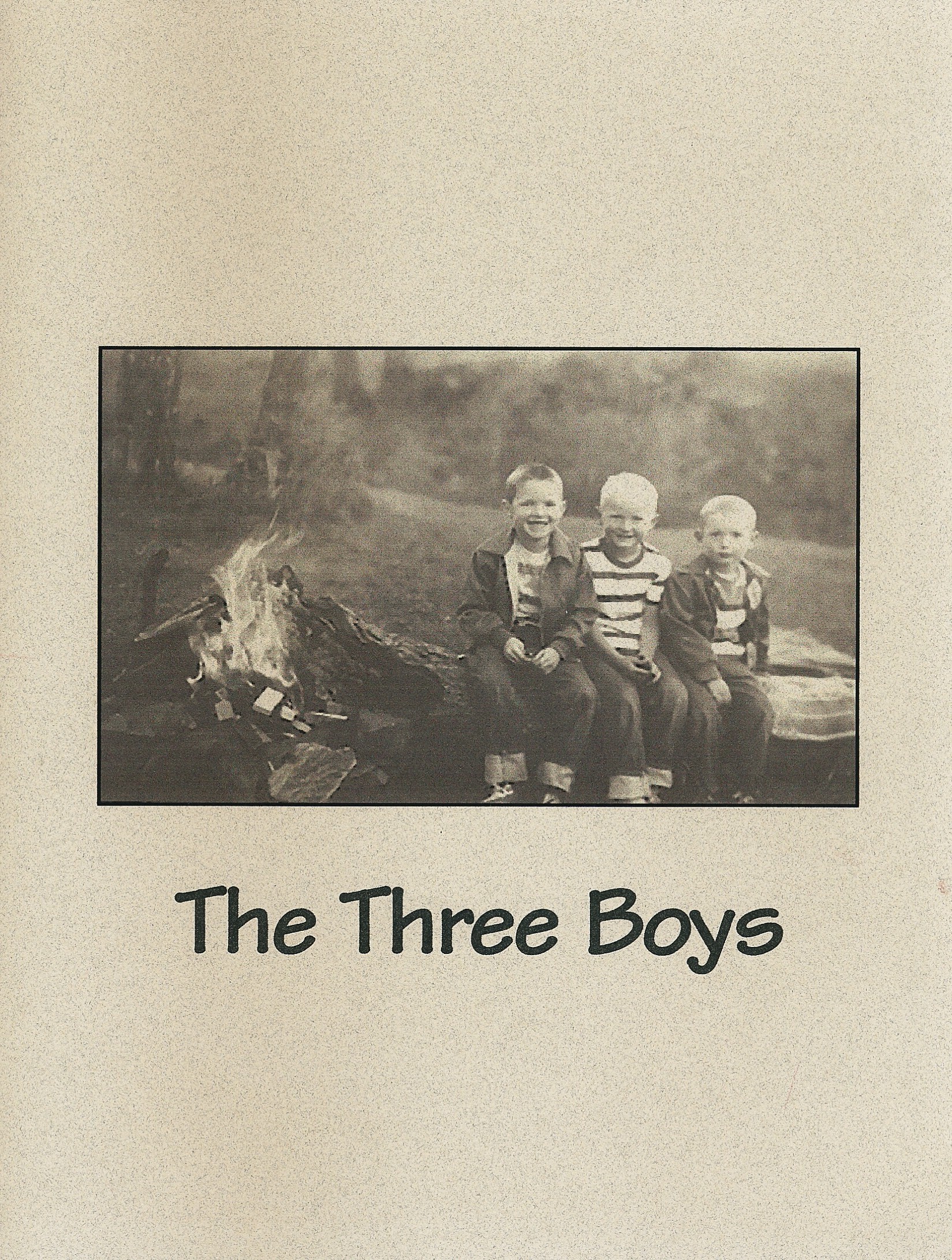
           Years later, my husband and his two brothers, along with their parents, laughed heartily at Thanksgiving dinners as they reminisced, and probably embellished, stories about the three boys. Each brother had his version of trying to ride the stray donkey that wandered repeatedly into their Western Kansas barnyard. They howled with laughter and talked at once about trying to stand up in the slimy stock tank and finding cow faces under the water looking down into the water with strands of slobber. The oldest brothers never tired of describing how they taunted their younger brother about the “rollers” coming – the terrifying dust storms that roiled over the plains. The stories continued with rolling Schnitzel, their Dachshund, into a rug and seeing if he’d land on his feet at the bottom of the stairs. After the Thanksgiving pies were eaten, tales continued with Schnitzel dragging home neighbor girls’ dolls, bicycle crashes, and falling off haystacks.

            My daughter and son listened, wide-eyed, and glanced from brother to brother, trying to figure out who was telling the truth.

            My children were 15 and 17 when their father died, followed by his father. The great-grandparents had already died. The family gatherings were smaller. Two brothers told the stories. Everyone chuckled. Everyone was keenly aware of the missing storytellers.

            My parents died, my grandparents died. Within four years, eight family members were gone. Many of my family’s oral traditions were documented in Alaska Bush Pilot Doctor and From Kansas Wheat Fields to Alaska Tundra: a Mennonite Family Finds Home. Now I was concerned that my children would lose their stories.

            On January 23, 1999, the documenting of the three Penner boys took place. This occurred within a traditional event: The Pheasant Festival. For decades, Penner men and boys (now girls and women, too) have flocked to their old home place to hunt pheasants. So it was that while savoring pheasant baked in cream, one brother retold every story he could remember, and I recorded the oral history.

            I transcribed the stories, added photos, included handwritten recipes from my mother-in-law, and printed a booklet for my children, their cousins, and other family members. It wasn’t a birth-till-death memoir, but it captured the supper table stories that were part of the fabric of my children’s lives. It was my gift to them.

            A secondary use of the The Three Boys booklet has been to show other family-savers-of-history a simple, organized, fun way to capture anecdotes that otherwise get lost in the dust storms of life or roll down the stairs and not land on their feet.

            Dads, tell your children stories. Show them where you grew up. Pull out pictures. Go for a ride. Reminisce out loud. Then preserve those stories in written form, digital format, photo books with captions, or in some that way they will remember, chuckle, or blurt out, “Tell us another story,” or sigh longingly, “Remember when Dad…”

            Your story is a gift to your children.

 (This was first printed in “The Country Register” – Kansas, June/July 2013. http://www.countryregister.com/crpublishers/kansas/pdfs/CountryRegJJ-13web.pdf)


Share this:

  • Click to share on Facebook (Opens in new window) Facebook
Like Loading...

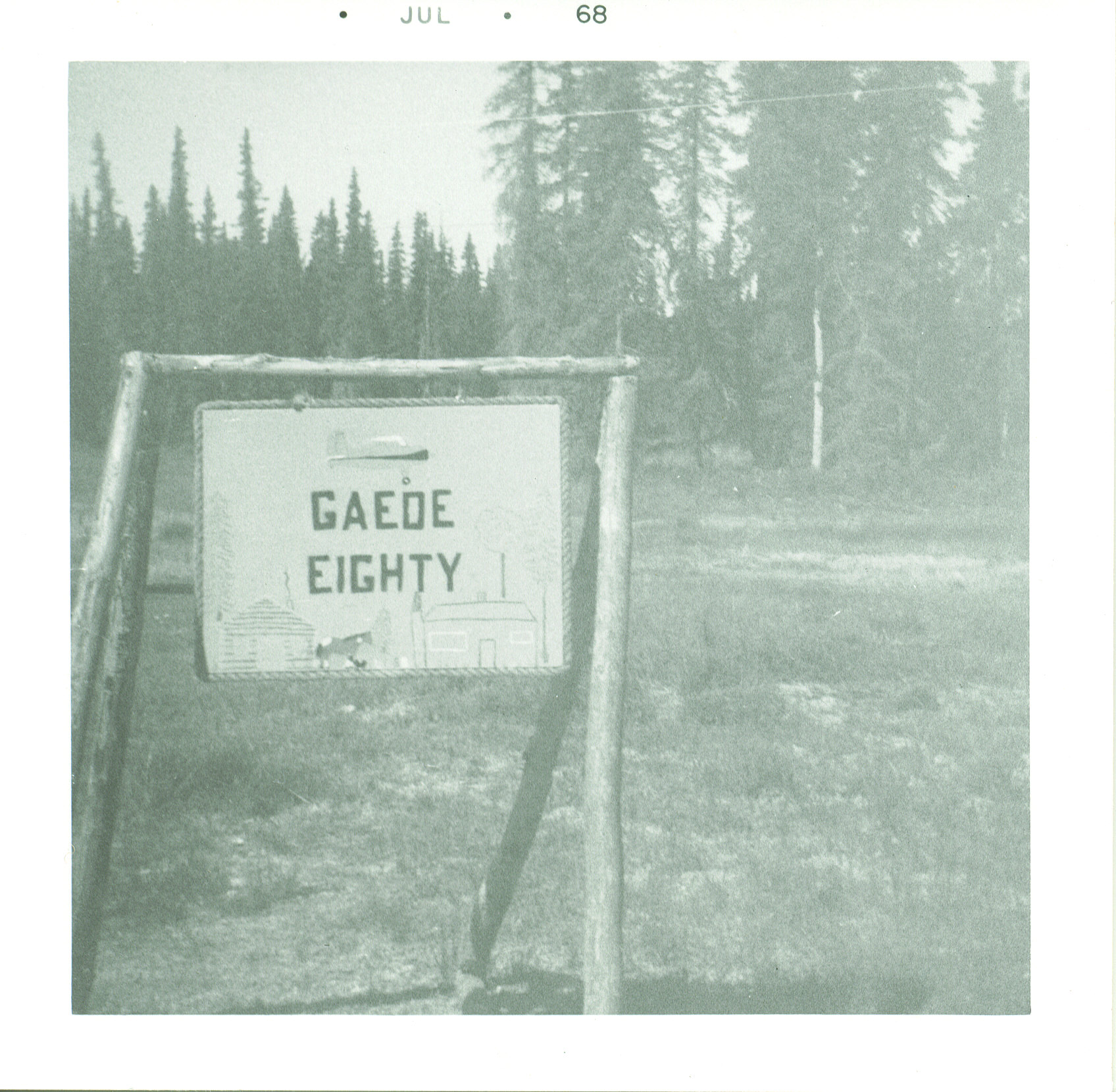
Alaska Homesteading. Roots of the Gaede (GAY-dee) Eighty

05 Wednesday Jun 2013

Posted by Naomi Gaede Penner in Gaede-80 Homestead, Uncategorized

≈ 1 Comment

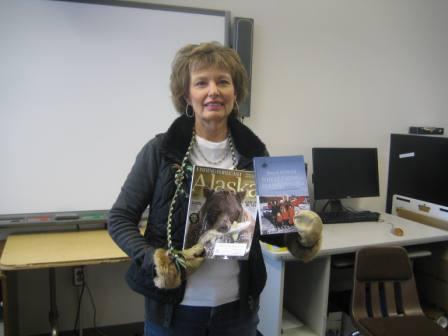
Showing slides to the students --from when I was a student. Wearing my mukluks and mittens that I'd worn there as a child.

Showing slides to the students –from when I was a student. Wearing my mukluks and mittens that I’d worn there as a child.

When I flew up to Alaska in mid-April, I didn’t spend much time on our family homestead; instead, I drove to Anchorage and Fairbanks to market my books and my Alaska History Study Guide at the homeschoolers’ IDEA curriculum fairs. One day I flew into Tanana, along the Yukon River, where I’d attended second and third grades. On my way back to the homestead, I stopped in Palmer and ate at my favorite restaurant — Turkey Red Café http://www.turkeyredak.com/

Now I’m flying back up to Alaska with the primary intention of attending the Kachemak Bay Writers’ Conference in Homer. This will be my first time to attend. I look forward to learning more about writing non-fiction, creative non-fiction, and memoirs; and doing research. I anticipate informal learning through talking to other authors, agents, and educators. http://writersconference.homer.alaska.edu/schedule.htm

I’ll be staying with Cherry Jones, author of Remarkable Alaska Women, which is part of the More than Petticoats series. http://www.amazon.com/More-than-Petticoats-Remarkable-Alaska/dp/0762737980

My time on the Gaede-Eighty homestead will be brief. A highlight will be roasting hot dogs over a small fire, probably out in front of the now-torn-down original hangar, with three generations of family members: sister and husband, brother and wife, niece, nephews. A typical drizzly evening won’t dampen our enthusiasm. That’s often the way it is – 50 degrees, drizzle, mosquitoes…all minimized by the nostalgic smell of wood smoke and the sizzle of hot dogs and the pop of burning branches. All these evoking memories of the first years on the homestead when our parents were chiseling home out of the wilderness and we kids, oblivious to their sweat and toil, ran through the woods exhilarated by the land claimed as ours, the cushy moss underfoot, the fragrance of wild roses, and  the larger game trails of moose and smaller ones of voles.

 How did life on the homestead begin…………..?

“In 1961, the major population of the central Kenai Peninsula consisted of 6,000 to 8,000 people scattered over a 25-mile radius. This included the strewn-out town of Soldotna, as well as the nearby older establishment of Kenai. At ground level, it didn’t look like much. A few people actually resided in these towns, but more lived on homesteads ranging from 40 to 160 acres. Homesteads could go unnoticed, since the many World War II veterans were exempt from the cultivation requirement. Their cabins were secluded and blended into the forests, rather than peeking out on the edge of a clearing. From an airplane’s vantage, one could see seemingly random roads twisting around swamps and the Kenai River, and meandering back into the spindly black spruce forest to simple log cabins, commonly 16 by 20 feet.

 Soldotna sat at the strategic juncture of two main roads: the Kenai Spur Road continued through Soldotna to Kenai and Nikiski (Ni-KISS-kee), while the Sterling Highway cutoff from Anchorage traveled toward the coastline and connected Kasilof (Ka-SEE-loff), Clam Gulch, Ninilchik (Ni-NILL-chick), Anchor Point, and Homer. There was no town center, just a collection of businesses tossed out along these two-lane highways. Two grocery stores, a gas station, a repair garage, a post office, a bar, an elementary school, several churches, a bank, and a hardware store provided basic services. Nothing was adjacent to anything else, so the simplest errands consisted of stops and starts. The nearest hospital was 90 miles away – flying through the turbulent Resurrection Pass mountain pass, or driving miles on a narrow, curving road where moose unexpectedly stuck their heads out of the woods and nonchalantly crossed over to the other side.

 Soldotna - 1961. Airstrip in town, behind the first house we lived in. Now Wilson Street.

Soldotna – 1961. Airstrip in town, behind the first house we lived in. Now Wilson Street.

To begin with, we lived in town. The house had a highway for a front yard and no nearby neighbors. My siblings and I turned a shabby greenhouse into a playhouse, a board into a teeter totter, and some muddy clay into a tea set.

Our first house, along the highway. Gravel front yard.  We called it "The Cold House." Our bed sheets froze to the wall at night.

Our first house, along the highway. Gravel front yard. We called it “The Cold House.” Our bed sheets froze to the wall at night.

Meanwhile, Mom unpacked boxes and went about creating home, while Dad patched up oil field workers and delivered babies. All the while, they searched for a homestead.

Finding a homestead was an adventure in itself. As much unclaimed land as there was on the peninsula, this, nonetheless, was not simple. It was not a Sunday jaunt with a realtor. Often, land was barely accessible. And there were scams, such as people selling homesteads that weren’t actually available. Then, too, so-called homesteaders tried to sidestep the requirements and still acquire the patent. When the Federal Land Office in Anchorage discovered shysters who talked big about homesteading but didn’t comply with the specifications of the Homestead Act, they took back the land and resold it.

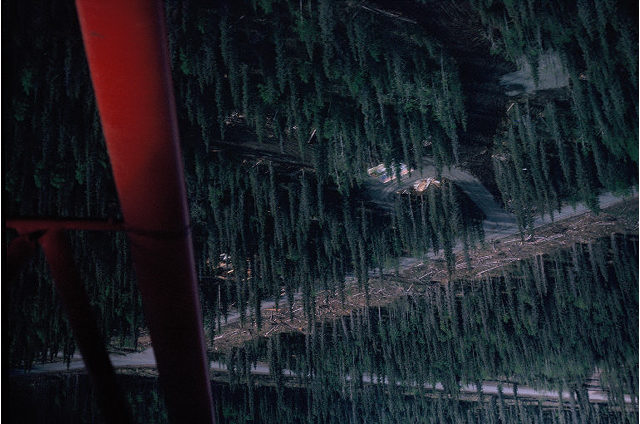
 Carving home out of the wilderness.

Carving home out of the wilderness.

West of town, down rock-strewn Kalifonsky Beach Road, and off of Gas Well Road, my parents found 80 pancake-flat acres. No view. No river or creek. No hill. As the crow flies, the Cook Inlet beach lay three-and-a-half miles farther west, but we weren’t crows. They didn’t seem to care about the lack of interesting features. It was their land. A narrow, sparsely graveled dirt road cut across an edge, crossed a corner of another homestead and extended to a gravel pit on a third. Off this road, Mom and Dad chose to build a log cabin and, at the same time, our primary residence, positioning them 500 timbered feet apart. They planned to trim the trees away from the road so Dad could drop his red, tail-dragging PA-14 airplane through that slit in the tall spruce trees and park it by the house.  Describing this parcel to friends and family, they called it The Gaede Eighty.”

FH000001

From Kansas Wheat Fields to Alaska Tundra: a Mennonite Family Finds Home, chapter 1, “The Makings of a Homesteader.”

Share this:

  • Click to share on Facebook (Opens in new window) Facebook
Like Loading...

Another Alaska Marine Highway Adventure

07 Sunday Apr 2013

Posted by Naomi Gaede Penner in Outdoor Action

≈ 2 Comments


The Kennicott

The Kennicott

The majority of my Alaska living and exploring has taken place in the Interior of Alaska and the Kenai Peninsula. In 2010, I decided it was time to visit Alaska’s capital, in Juneau, try out the Marine Highway, and catch a glimpse of SE Alaska.

 The State of Alaska owns a ferry fleet that sails from Bellingham WA (North of Seattle) to Whittier AK (South of Anchorage) and west to the Aleutian Chain. The ferries offer a cruise ship alternative with cabin accommodations, restaurants, sightseeing activities, and the ability to carry vehicles. Some tourists choose this alternative. Many locals choose this option. Locals in SE Alaska use this as their highway between communities.

http://www.akmhs.com/

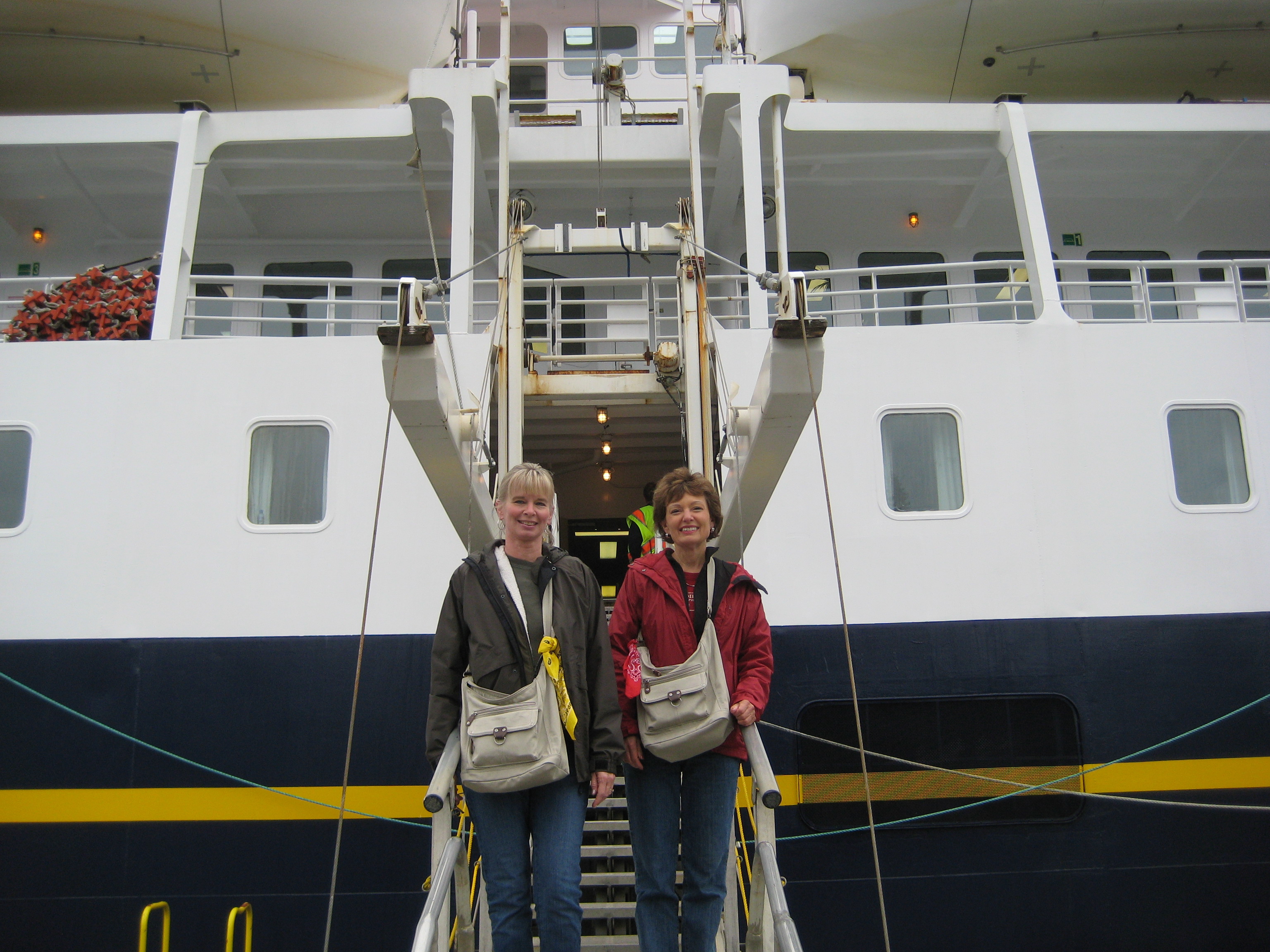
My sister and I took the ferry from Whittier to Yakutat to Juneau. We slept in a tiny berth with no windows. We ate in the cafeteria, watched movies and ate popcorn in the train car size theater, sat on the main deck and took in the views, and marveled at the people who  paid for walk-on accommodations only and then camped outside on the deck  with a lawn chair or in a tent. We did not see many families; the passengers were primarily single adults of all ages, and older couples.

We liked the cost, informality, casual dress, close proximity to the water – and that we did not get seasick. We did not like that we locked ourselves out of our small private bathroom at 3:00 am.

Last summer, 2013, I decided to try putting a vehicle on the ferry. I purchased tickets several months in advance.

In July, I drove from Soldotna to Valdez (approximately 10-11 hours.) At one of the Valdez Museums, I showed slides from ‘A’ is for Alaska: Teacher to the Territory, about Anna Bortel who had taught in Valdez from 1954 to 1957.  I then toured two other museums.

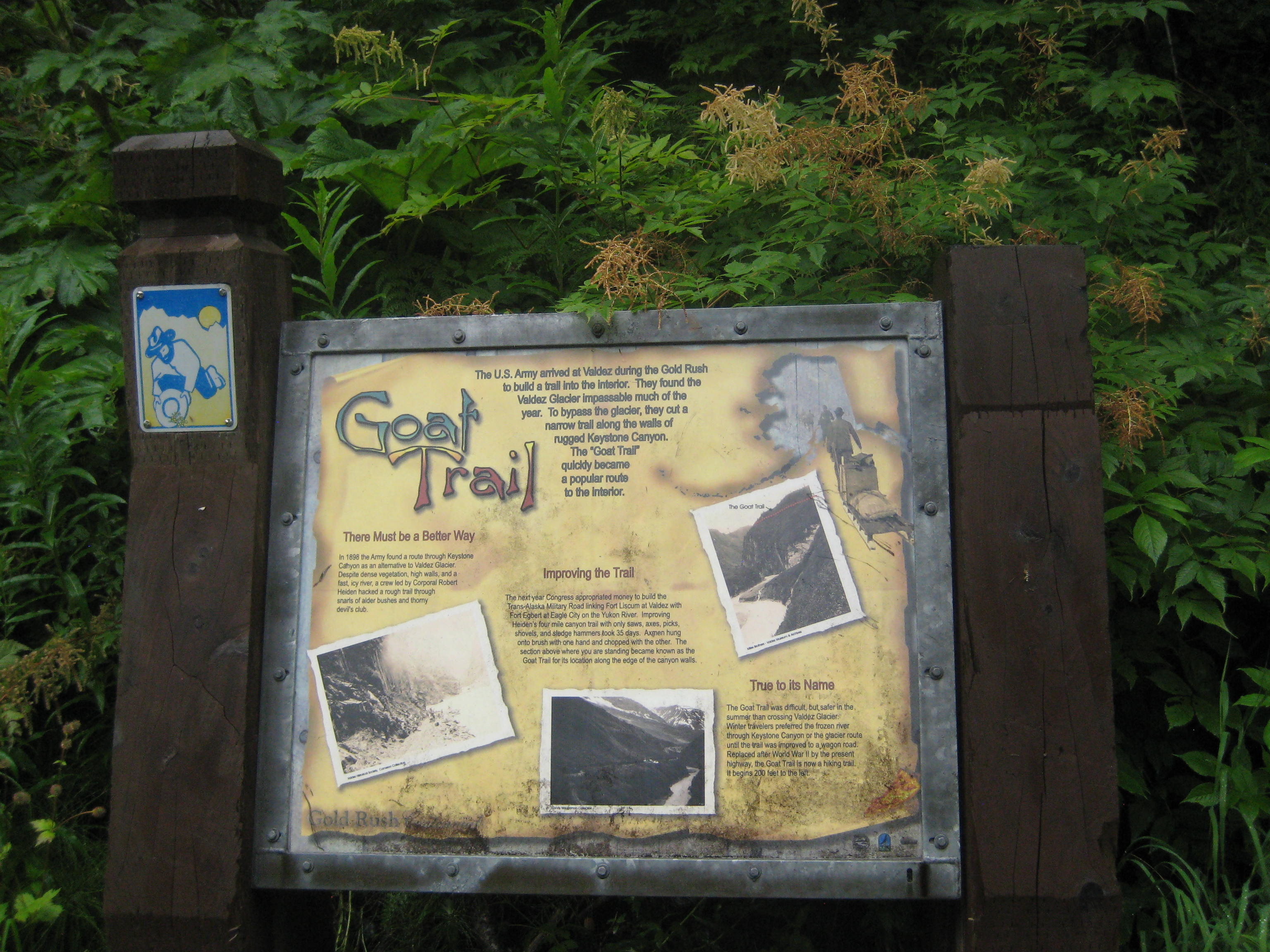
"Goat Trail'

“Goat Trail’

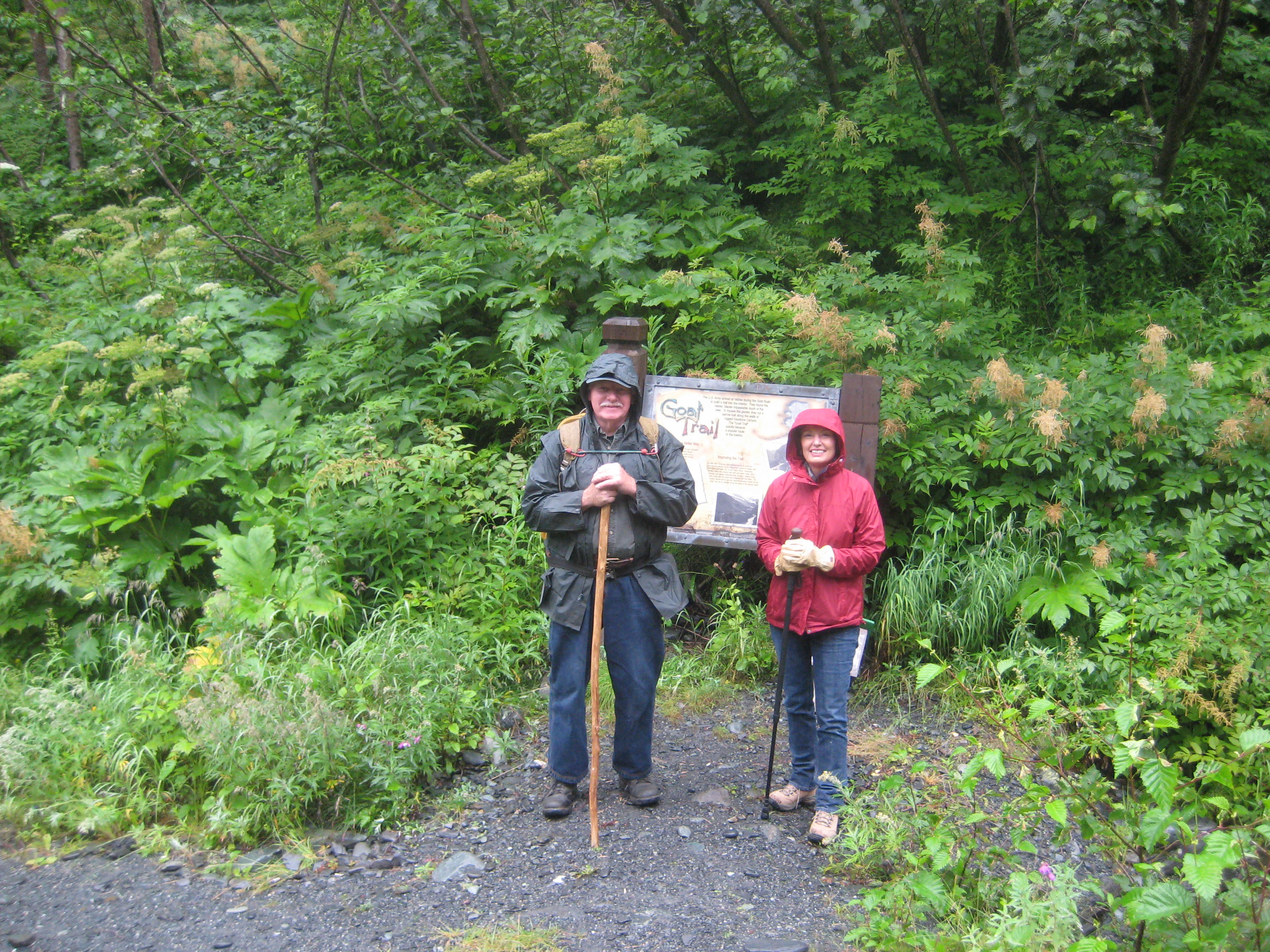
Jim Shephard, a long-time Valdezan and  history buff, had recently hand-cleared a 2.5 mile section of  the historic Goat Trail; which at one time served as a throughway between Valdez and Fairbanks.  I never miss an opportunity to hike. He offered to be my guide. That day, heavy fog and drizzle closed in Prince William Sound and up the Thompson highway — to the trailhead. Jim was a nimble guide. The slippery rocks and roots, and the trail-edge drop-offs that were camouflaged by tall, dense underbrush, by no means discouraged or impeded his progress. He was in his element. I was glad for the leather, water-proof gloves his wife had loaned me. I loved every minute of it.

"Goat Trail" Trail Head

“Goat Trail” Trail Head

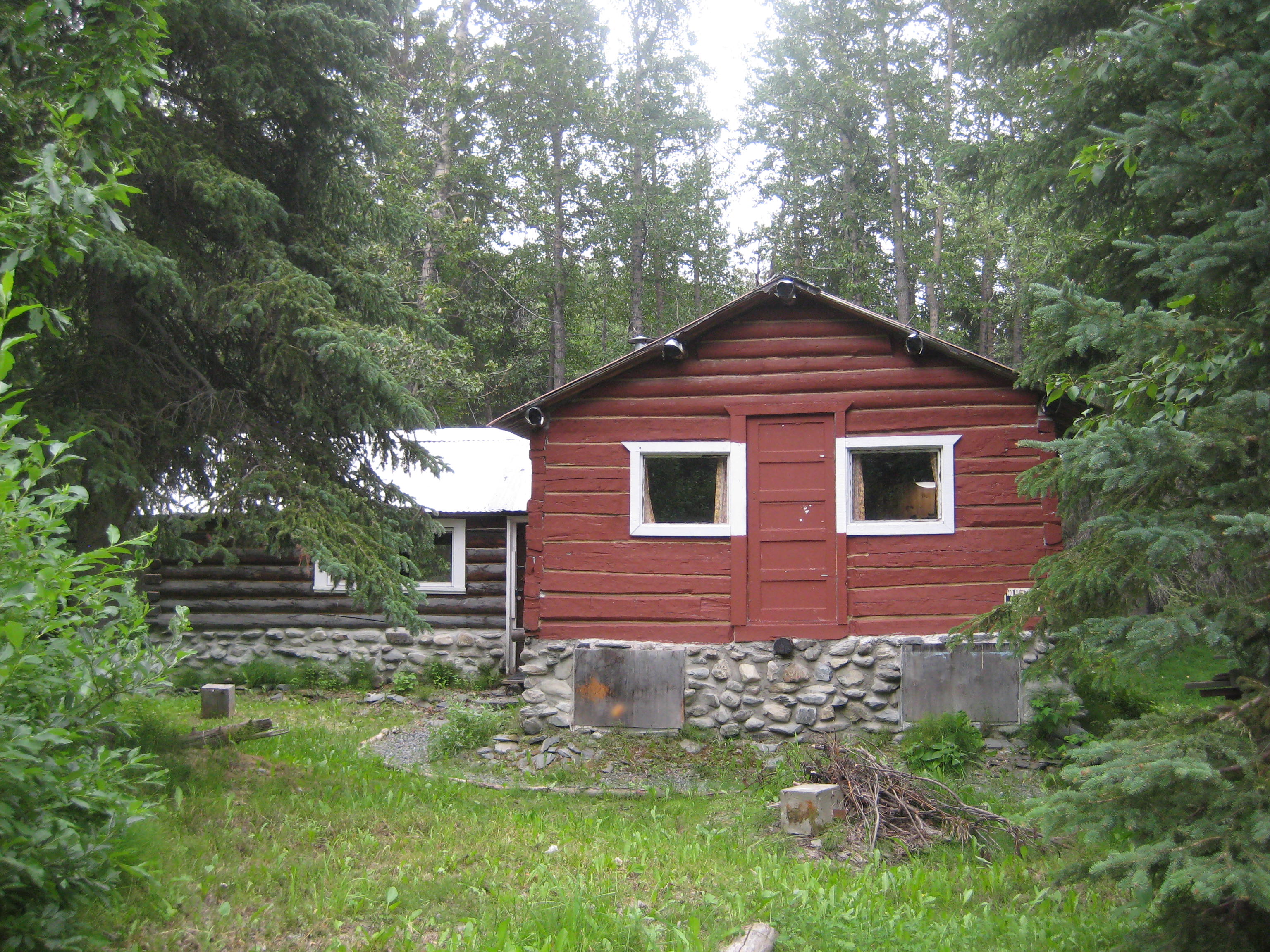
Before returning to Soldotna, I accepted an invitation from Jim and his wife Charlotte, to join them for lunch and hot tea at the Tiekel Roadhouse. They’d purchased and made livable the roadhouse which is the only roadhouse still intact between Valdez and Fairbanks. Their hospitality and history-telling was the highlight of my trip.

Tiekel Roadhouse

Tiekel Roadhouse


I regretted scheduling a too-short time in Valdez.

Departure day loomed.

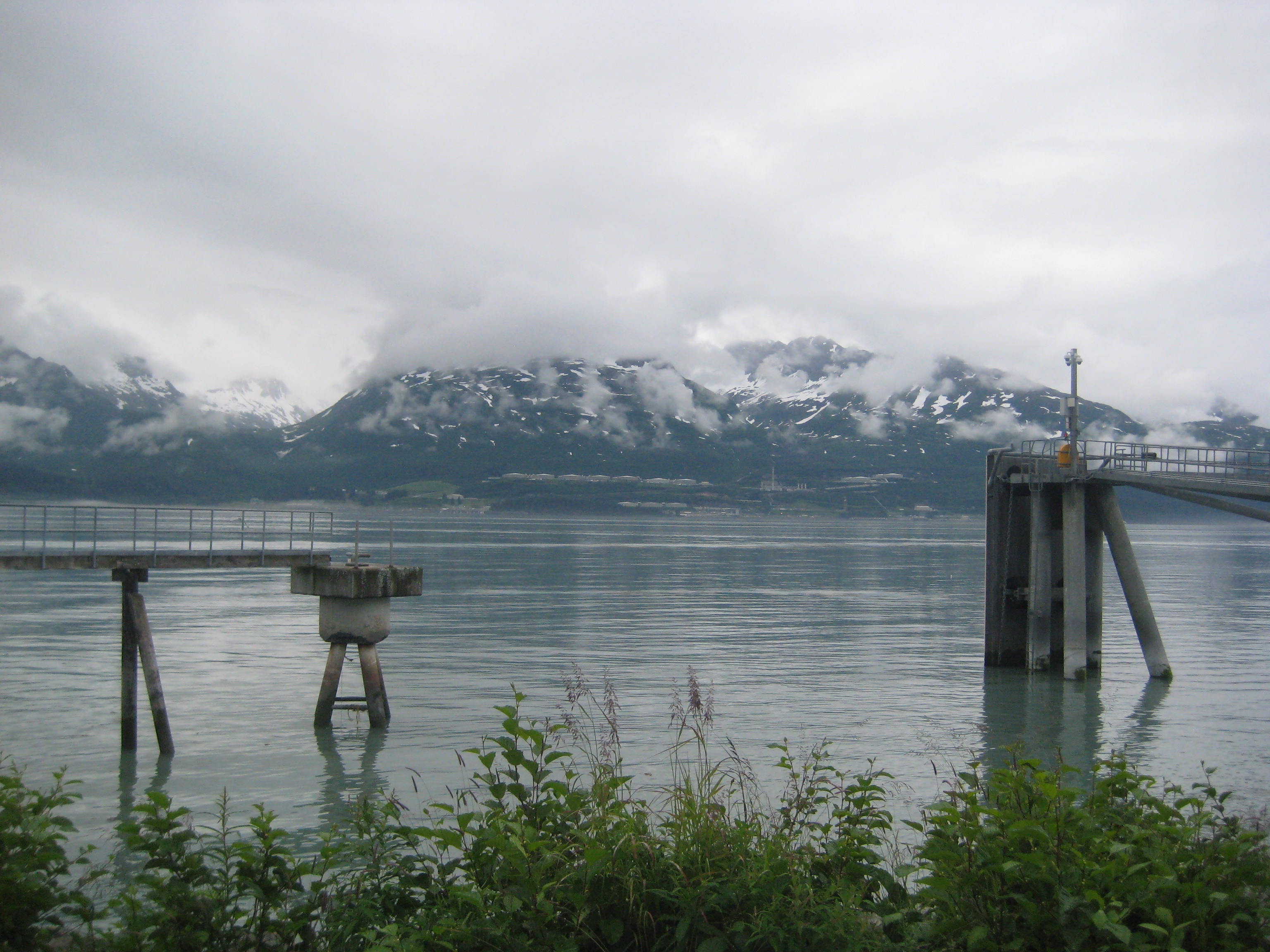
Port Valdez

Port Valdez

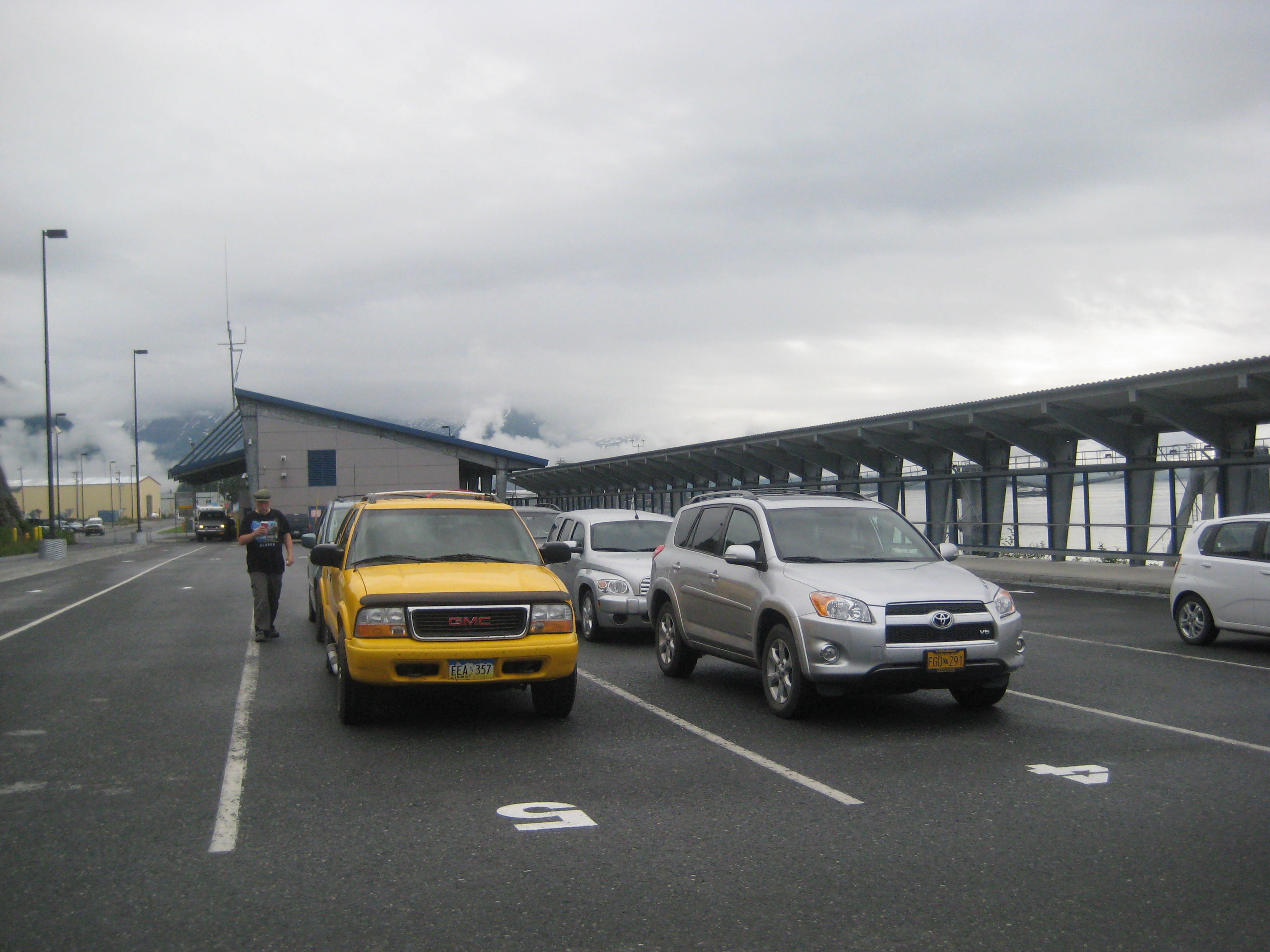
I was apprehensive about getting my vehicle on and off the ferry. I nagged my brother and other family members about the “how to.” I nagged the terminal staff. Then I followed staff instructions and lined up in the designated lane of small trucks and SUVs.

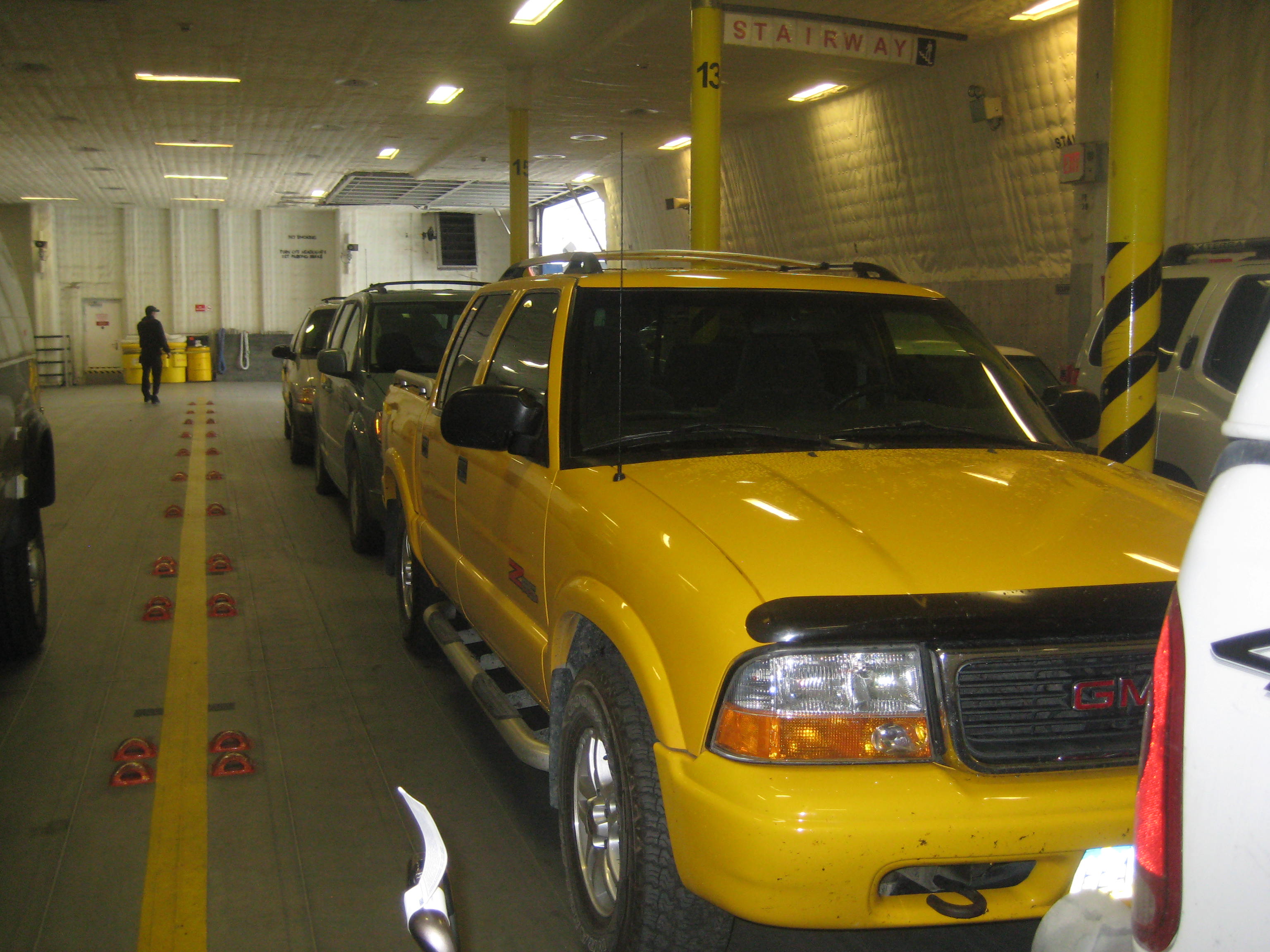
Mellow Yellow -- waiting....

Mellow Yellow — waiting….

When the time came to board, it was a piece of cake, or shall I say, a piece of Alaska Rhubarb Pie. Simple. The on-board attendants directed me to my spot, ushered me out of my pick-up, and blocked the vehicle tires so there would be no shifting weight during the trip.

Safe and Secure

Safe and Secure

I went up to the main deck, got a cup of steaming tea, and settled down to watch the fog roll in and out, the glacier-blue ice chunks floating in clusters,  and otters and whales cavorting.

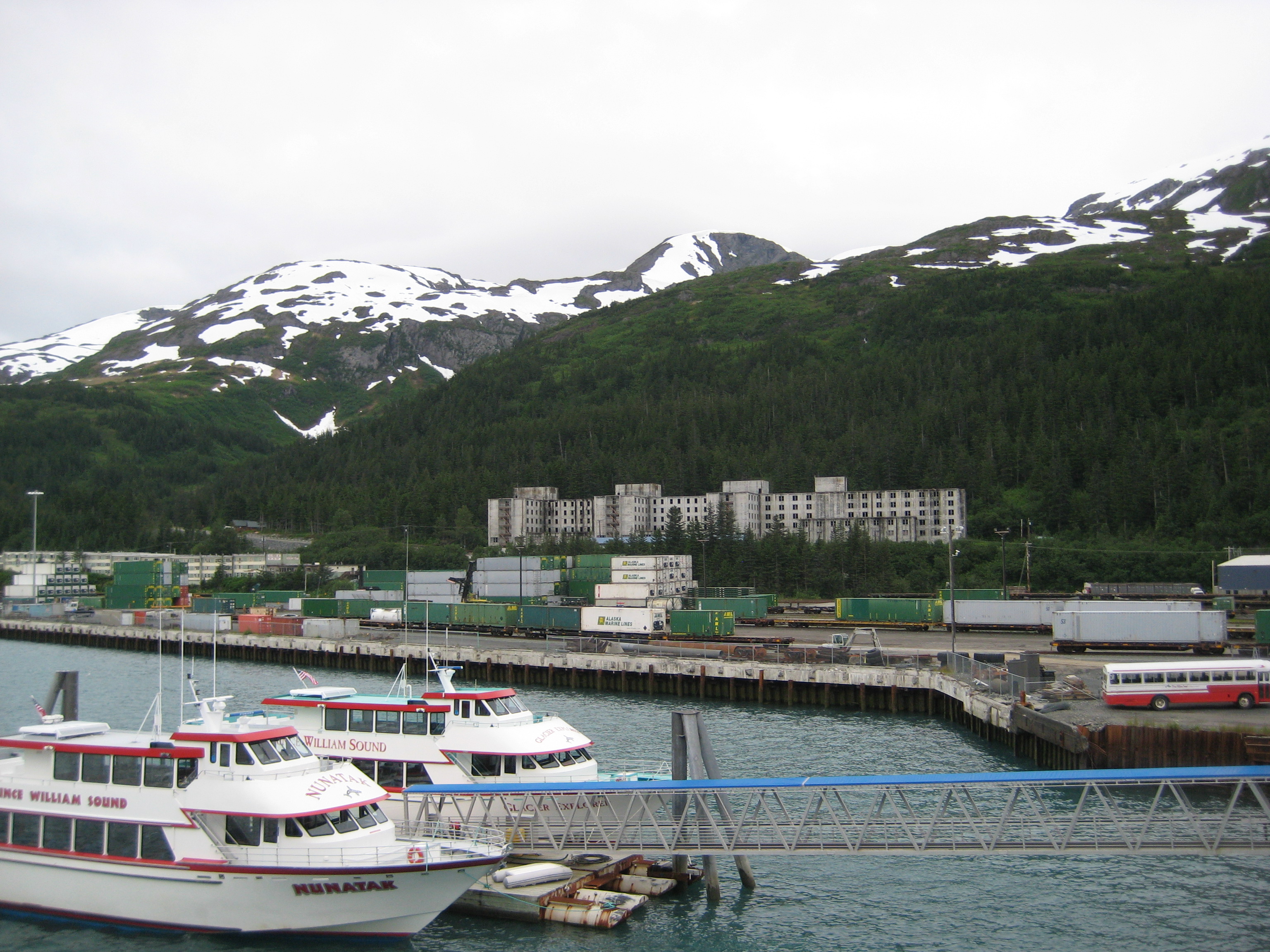
Whittier, Alaska

Whittier, Alaska

One and a half hours later, I was at Whittier. Too-quick; but it sure beat the long drive inland. Two hours later, I was back in Soldotna.

Where do I want to go next? This June, Jim and Charlotte are taking the ferry from Homer to Dutch Harbor (down the Aleutian Chain.) I’d love to join them. I would not love that it is in “The Deadliest Catch” water. The Alaska Marine Highway agents assure me that that’s why they only run the ferry in the summer months – when the weather is better. Better than what? I’ll wait for a first-hand report from Jim and Charlotte.


Share this:

  • Click to share on Facebook (Opens in new window) Facebook
Like Loading...

Baby Chicks: Early Memories

28 Thursday Mar 2013

Posted by Naomi Gaede Penner in Holidays and Special Occasions

≈ 2 Comments

ruby Leppke: Kansas Farm Girl

Ruby Leppke: Kansas Farm Girl, holding lamb, with Naomi standing behind

My earliest memories are of baby chicks, barn cats under my grandparents’ porch, dogs named “Shep,” sweet-eyed calves, and wooly lambs. Then our family moved to Alaska. Alaska was not like Central Kansas. My new memories were of moose, bears, salmon, and “camp robbers” (Canadian Jays). I missed the farm immensely.

Our first Christmas in Alaska, a large box of gifts arrived. After it had been emptied, I crawled inside, pulled down the top flags, and called out, “Mommy, sent me to Grandma’s house!” She didn’t. Although with the bickering I did with my sister, chances are she would have liked to.

My father transferred with Public Health Services to Browning, MT. That Easter, my mother brought home four pastel-dyed fuzzy chicks. Their box sat on the black-and-white linoleum tiled kitchen floor.  We four children, ages 18-months to nine-years, loved the chicks. They felt so soft against our cheeks.

Then the cute chicks turned into teenagers and developed prickly pin feathers. Their pretty colors faded. We lost our enthusiasm for holding them. One Sunday, Mom gathered up the teenagers, and on the way to Star Baptist Church in the country, we stopped at a Blackfeet Indian home and gifted them the pets, which probably turned into produce —- either egg-layers or supper.

Later, when my parents returned to Alaska and homesteaded, Mom bought chicks for the summer time. They lived in the chicken coop along the driveway – until the weather turned cold. Then she gifted them to Betty, our homestead neighbor from Nebraska, who kept her farm going year-around.

Every Easter, I think of the chicks. Sometimes I stop by a feed store just to look at chicks.  A week or two ago, I drove past the Feed Store in town and the sign read “Order your Chicks Now.” I actually considered it — for a second.

A few days ago, I picked up the local paper and read “Baby Chicks a Popular Easter Gift for Kids.” A reporter, who I email occasionally with article ideas, had followed-up on my suggestion that he write about Parker Feed, one of the remaining landmarks of what this town used to be – a ranching town. I smiled. I emailed him. He thanked me for the idea.

http://www.ourcoloradonews.com/parker/news/baby-chicks-a-popular-easter-gift-for-kids/article_9c9a74aa-956c-11e2-b3f7-0019bb2963f4.html

Some year I’ll have to buy myself some Easter chicks, even if they aren’t dyed anymore. I’ll hold them against my check — and reminisce about the joys of having a farm-girl mama.

Know of anyone who’d like an after-Easter gift?

Share this:

  • Click to share on Facebook (Opens in new window) Facebook
Like Loading...

Good Adventure and Bad Adventure: Choose a Good Prescription

22 Friday Mar 2013

Posted by Naomi Gaede Penner in Womens' Safety and Protection

≈ Leave a comment

Zip - Naomi learns to soar

I like prescriptions for adventure  — especially outdoor adventure. I read books about mountain climbers, barefoot runners, early explorers in the Grand Canyon, pilots heading into trouble, and Antarctica survivors . I enjoy interviewing people who appear to me as adventurers – translators/interpreters, entrepreneurs, teachers and healthcare workers in remote areas, and ordinary people making a difference with what they’ve been given for resources or talents. I stand behind causes such as Free the Girls, Christians for Biblical Equality, and Women and Family Crisis Centers.

At the same time, I do not applaud foolhardiness, nonchalance, or tempting fate. I applaud women watching out for themselves – and making the time to take self-defense classes and attend self-protection seminars; reading books and blogs about protecting themselves; teaching women safety strategies; working with victim’s advocacy; and forming support groups.

I recently attended two “Realistic Safety Solutions for Women” by Nicole Sundine. Please check out her website, attend a seminar, get on her email newsletter list, or buy her book —any of these are a prescription for  a good adventure:

http://www.realisticsafetysolutions.com/

There’s bad adventure out there that I don’t want – and I don’t want any other woman or girl to have it either. Choose your prescriptions carefully.

Share this:

  • Click to share on Facebook (Opens in new window) Facebook
Like Loading...

‘A’ is for Anaktuvuk: Teacher to the Nunamiut Eskimos — 20-some Years in the Making

22 Friday Mar 2013

Posted by Naomi Gaede Penner in Alaska

≈ 4 Comments

I’m really not sure how it happened, but twenty-some years ago, after I’d completed Prescription for Adventure: Bush Pilot Doctor, my second-grade school teacher, Anna Bortel (Church) and I sat across my dining room table and leafed through letters, newspaper clippings, and school newspapers she’d saved from her teaching experiences in Alaska; and then we projected Kodak slides against a blank wall.

Never did I think a video-trailer was in the future. I was writing with a pencil, mailing rewrites in stamped envelopes, and wondering how to turn slides into half-tones into photos in a book. It’s not always a bad thing to have a slow-growing project.

Why did I persist? I was captivated and inspired by Anna’s heart-warming, humorous, and amazing stories. Just as the Alaska spawning salmon swim upstream, so had this single woman pushed against a society that expected her to fit the mold of wife and mother.  When this rite of passage eluded her, Anna did not bemoan her singlehood. Instead, in 1954 she drove from Ohio, up the Alaska-Canada Highway, to Valdez, where snow was measured in feet and an Easter Egg hunt unheard of. There she taught for three years.

Her curiosity about Alaska wasn’t quelled. In 1957, she pushed farther north to Tanana, an isolated Athabascan village along the Yukon River. Teaching and living in drafty Quonset huts with freezing oil lines at 50 below zero added to her teaching rigors. Discouraged? Yes. Daunted? No. That’s where I met her. That’s when she became my mother’s best friend. That’s where she accompanied my physician father on a medical field trip to Anaktuvuk Pass, Alaska, where the last roving bands of Nunamiuts, and the only inland Eskimos in Alaska, followed the caribou.

The trip to Anaktuvuk Pass took her even farther north. While my father checked for ear infections, tuberculosis, and nutrition issues, Anna assessed the need for education. The elders of the clan were determined to provide education within their settlement, rather than send their children to boarding school. The obstacles were daunting for a school teacher: no school building, no tent or sod house available for a teacherage, no roads to transport building supplies, no airstrip, no wood for fuel except willows, no public services besides a post office, and few English-speaking adults and children. Simon Paneak and other elders begged her to return and teach – in a place where sled dogs outnumbered the 98 people.

 She returned to Tanana, She prayed. She waited. In 1960, Anna became the first permanent school teacher in Anaktuvuk Pass. Because of her willingness to live in a sod house, melt snow for water, use a kerosene lamp for light – and – teach  children that ‘A’ is for ALASKA, ‘B’ is for BEAR, and ‘C’ is for CARIBOU, and adults to write their names, an airstrip was build to haul in construction materials for a school. And, the Natives ceased their perpetual migration to settle in the middle of the wide, windswept pass.

In 1960, Ernest Gruening, U.S. Senator from Alaska, described the dilemma Alaskan educators face and the determination of the Native people to obtain an education. He held up Anna Bortel as the ideal teacher, “one able to comprehend their problem, one kind and sympathetic, and above all one able to adjust to all conditions that might face her.”

Over the course of 20-some years, Anna and I worked with her stories. She had the facts, details, conversations, and photos. I crafted her material into chapters with settings, additional facts, geography, flashbacks to childhood, foreshadowing, transitions, and conclusions. I expected the results would be one book. The word count was too high. The stories over-flowed into two books.

 ‘A’ is for Alaska: Teacher to the Territory covers the drive to Alaska, Valdez (1954 – 1957), and Tanana (1957-1960).

A is for AK web size

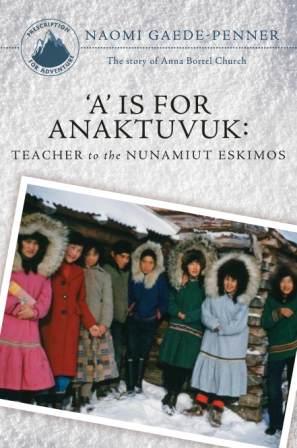
‘A’ is for Anaktuvuk: Teacher to the Nunamiut Eskimos grabs some pieces from the first book, to orient the reader, and then documents the history-changes of the Nunamiuts from 1960-1962 – all in humorous, heart-wrenching, and compelling stories.

A is for AP websze

I wanted Anna’s story to be written down –and shared with her family and friends. At the same time, given how my German-Russian Mennonite heritage is significant to me, I wanted the Nunamiuts to be able to know, read, remember, and pass along their traditions and heritage.

The Simon Paneak Museum is eager to use ‘A’ is for Anaktuvuk: Teacher to the Nunamiut Eskimos as a resource in the museum, for tourist awareness, school education, and resident pride.

Now, twenty-some years later, Anna’s story is told, a segment of the Nunamiut’s history is recorded, and a video-trailer is made. Now, Anna smiles from much deserved accolades and congratulations. Now, I smile that twenty-some years of work is completed.

Share this:

  • Click to share on Facebook (Opens in new window) Facebook
Like Loading...

Outhouse races, Snowshoe Softball, Snowball Fight Tournament, Dog Races = Fur Rendezvous

21 Thursday Feb 2013

Posted by Naomi Gaede Penner in Uncategorized

≈ 3 Comments

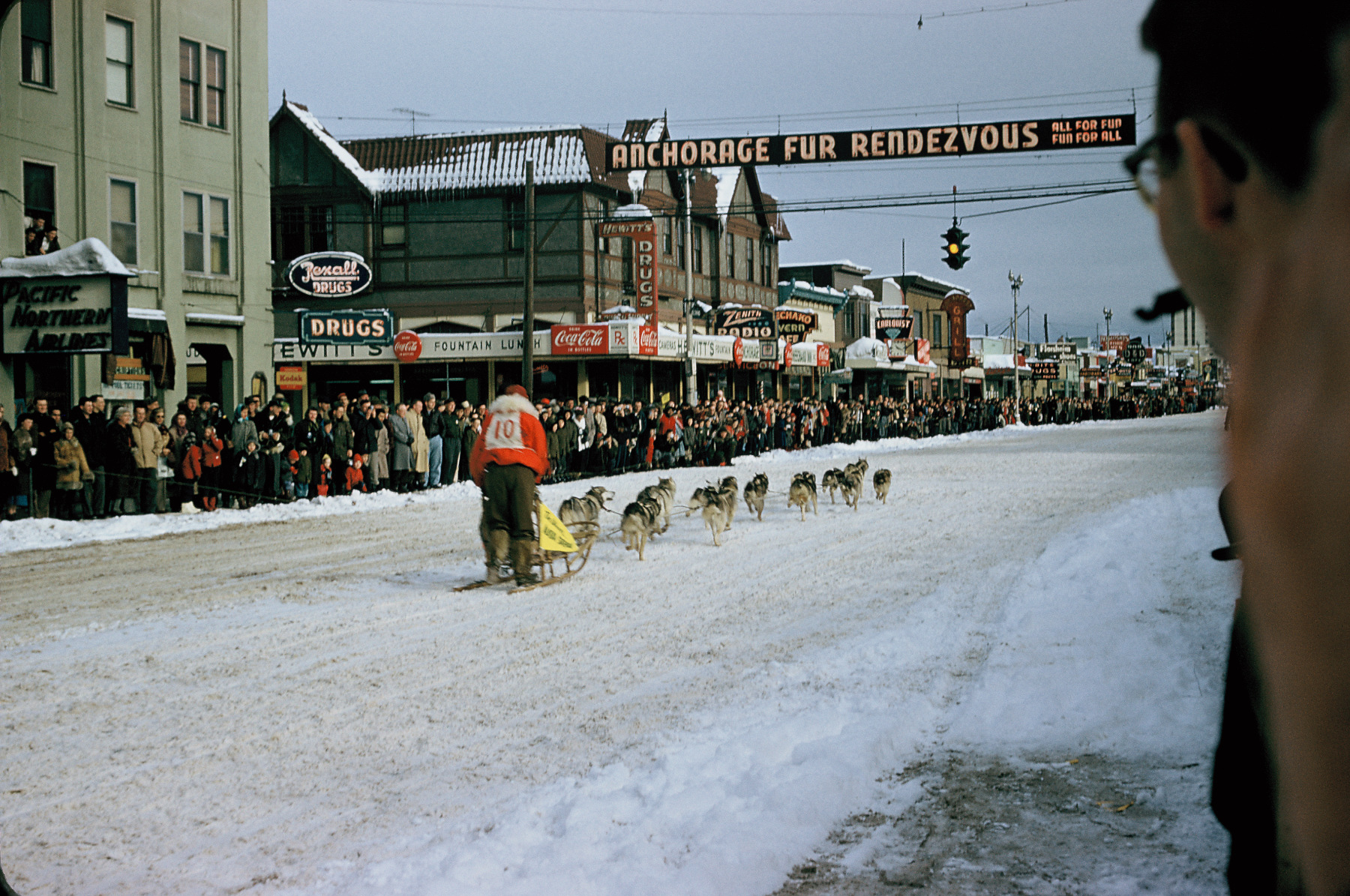
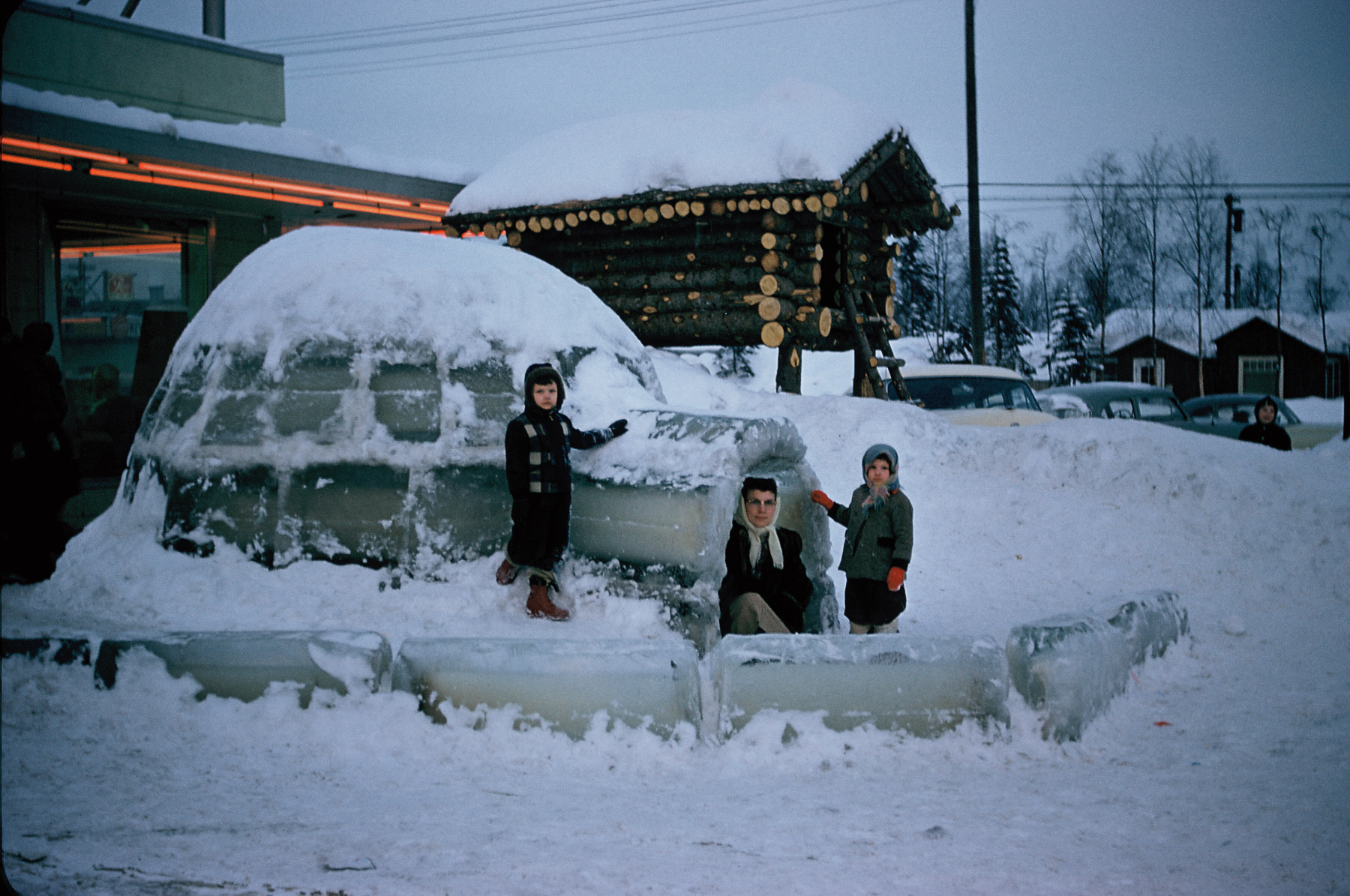
Fur Rendezvous, Anchorage, Alaska,  1956

Fur Rendezvous, Anchorage, Alaska, 1956

The 78th Fur Rendezvous starts tomorrow in Anchorage, Alaska, and runs through March 3, 2013. The event started in 1935. I’d love to see the Outhouse races, Snowshoe Softball, Running of the Reindeer, Great Alaskan Bed Races, Snow Sculptures, Snowball Fight Tournament, Ice Bowling – and more!

My one and only time at the Fur Rendezvous was …a long time ago…..

Naomi, Ruby, Ruth Gaede

Naomi, Ruby, Ruth Gaede

(Excerpt from Alaska Bush Pilot Doctor)

Anchorage, Alaska 1956

As told by Elmer E. Gaede

“The Anchorage Fur Rendezvous, held in February, provided more entertainment. Originally a celebration when trappers came to sell their winter’s cache of furs, this annual, ten‑day cabin‑fever antidote attracted crowds of Natives and whites. The hustle and bustle of dogsled races, dog‑pull contests, snow‑shoe races, and fur auctions nearly shut down 5th Avenue. In one of the open lots there was a platform with hundreds of raw furs, sectioned off for red fox, white fox, mink, beaver, muskrat, lynx, and wolverine. ..

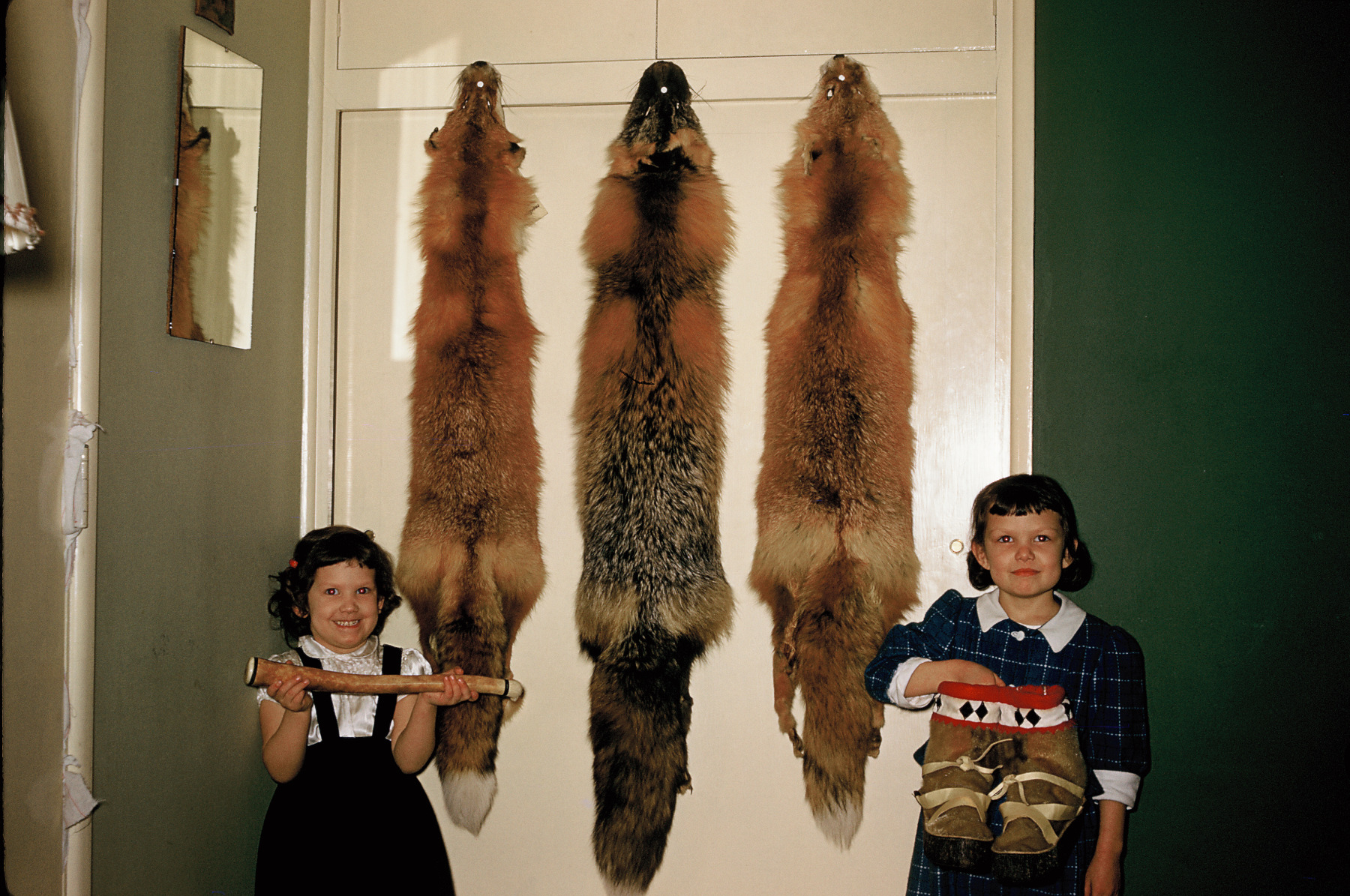
…. At the first of the Rendezvous, I bid on the red fox and got two for $5 each. The next day, some of the same quality of fox went up to $20 each. I was told that I did well to bid early since the furs usually sell low the first few days before the buying interest is up. Later, when the buying fever was aroused, the prices would go up.

When the furs were brought in from the cold and into a warm room The odor went up later, too. Some of the furs came from villages where they had been tanned in barrels of human urine… I learned that in fur selection, one needs to use both eyes and nose.”

Ruth and Naomi with fox skins

Ruth and Naomi with fox skins

(Excerpts from http://www.anchorage.net/articles/anchorage-fur-rendezvous)

Fan favorites, such as the Outhouse Races, always draw a crowd. Dog teams and their mushers complete three 25-mile loops over three days. One of the newest events is Yukigassen, a team snowball fight tournament that joined the lineup in 2011.

 Native culture is celebrated in many ways.

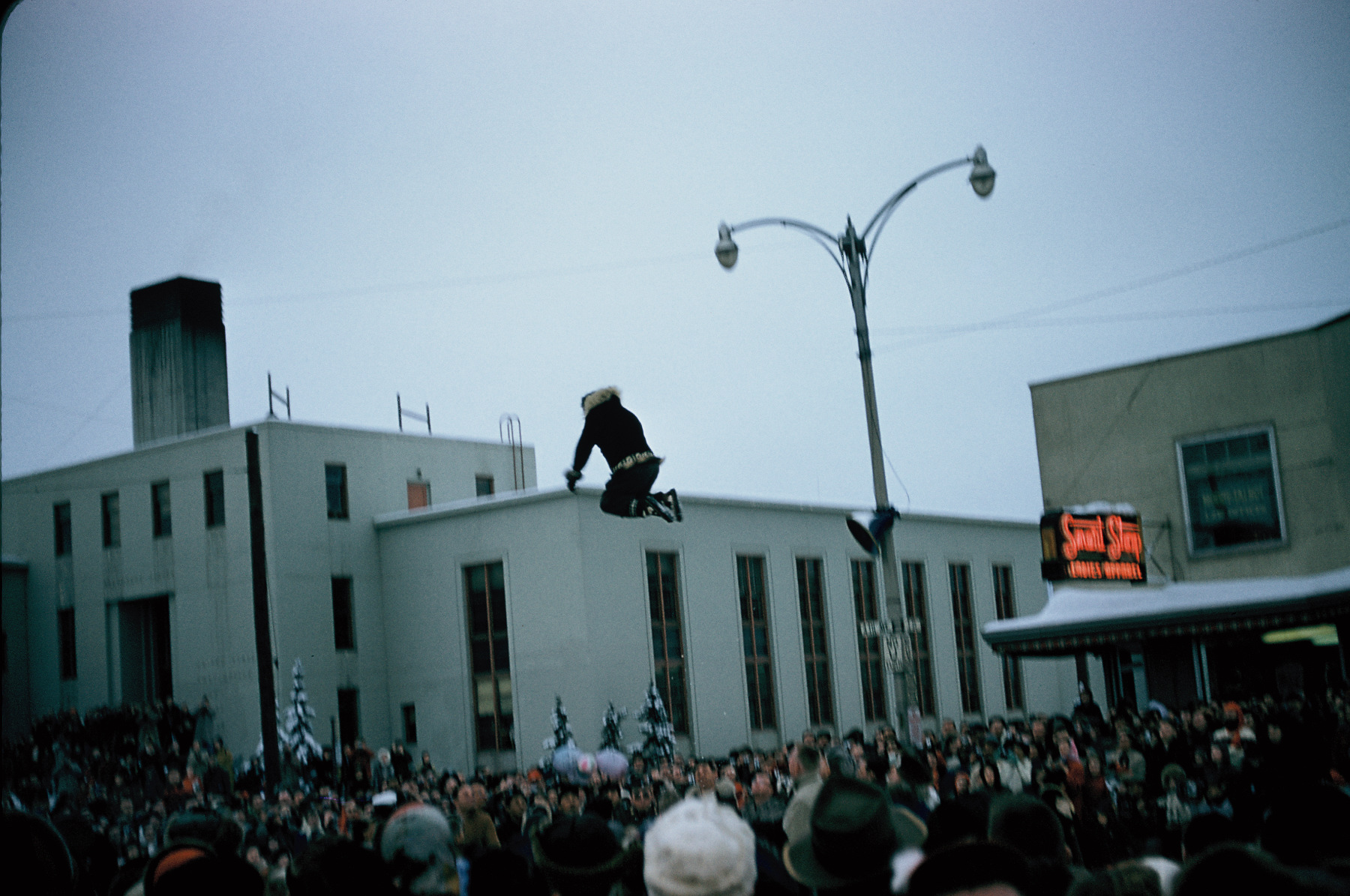
Blanket Toss at 1956 Fur Rendezvous

Blanket Toss at 1956 Fur Rendezvous

–        The Blanket Toss mimics the Alaska Native whaling tradition. Everyone can have a turn to either jump or grip the (walrus skin) blanket’s edge while tossing others as high as 20 feet into the air.

–       Arts and crafts are displayed.

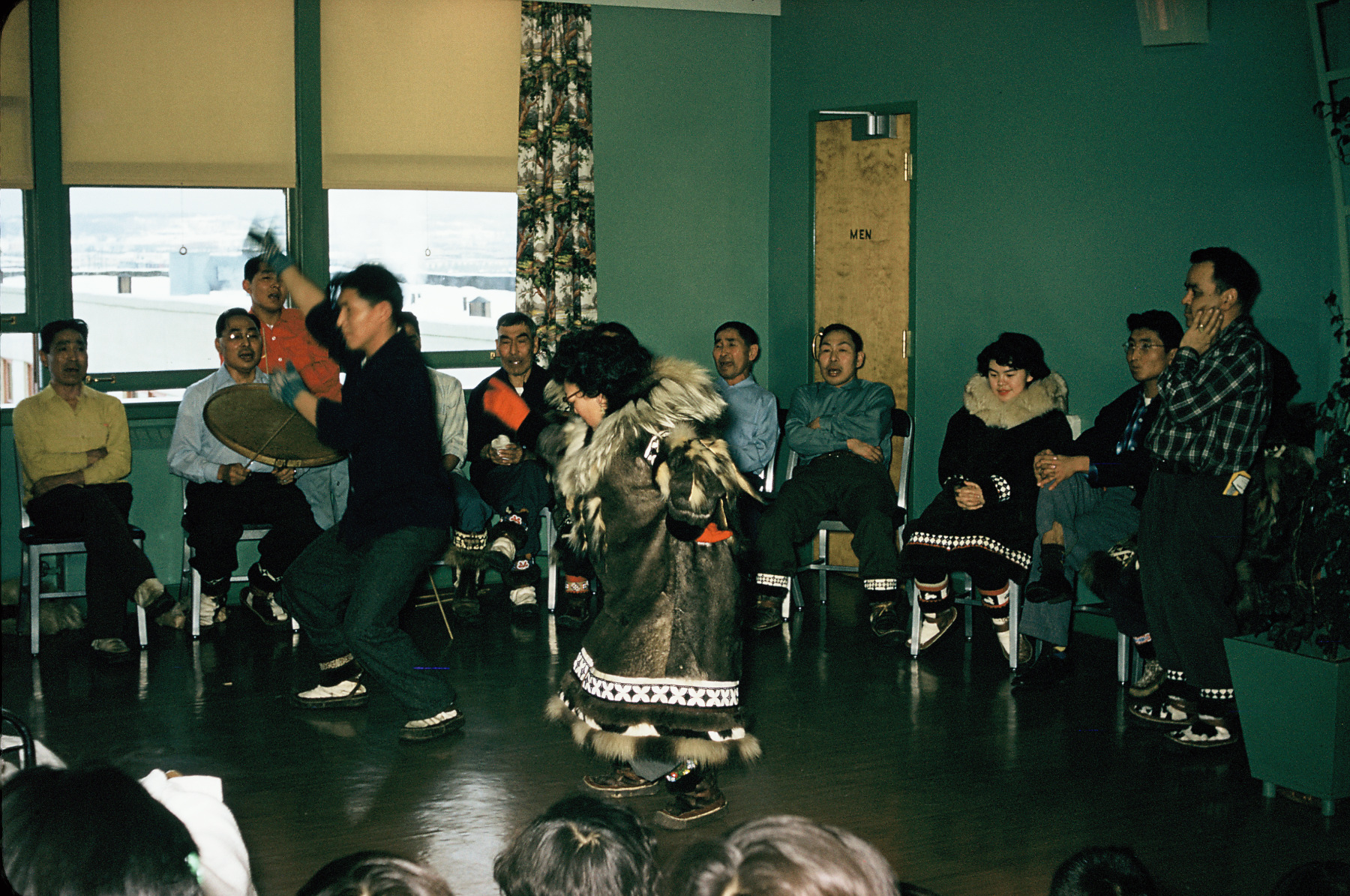
–       Tribal regalia, customs and culture vary greatly between Alaska’s distinct Native cultures. The Multi-tribal Gathering celebrates their diversity, joining cultural performers and visual artists in a one-day extravaganza

Fur Rendezvous - 1956

Fur Rendezvous – 1956


Fur Rendezvous - 1956

Fur Rendezvous – 1956

For more information, including the schedule of events and travel specials, visit http://www.furrondy.net/ or

Share this:

  • Click to share on Facebook (Opens in new window) Facebook
Like Loading...

Writing in Crock-Pot Mode

19 Tuesday Feb 2013

Posted by Naomi Gaede Penner in Book Reviews

≈ 1 Comment

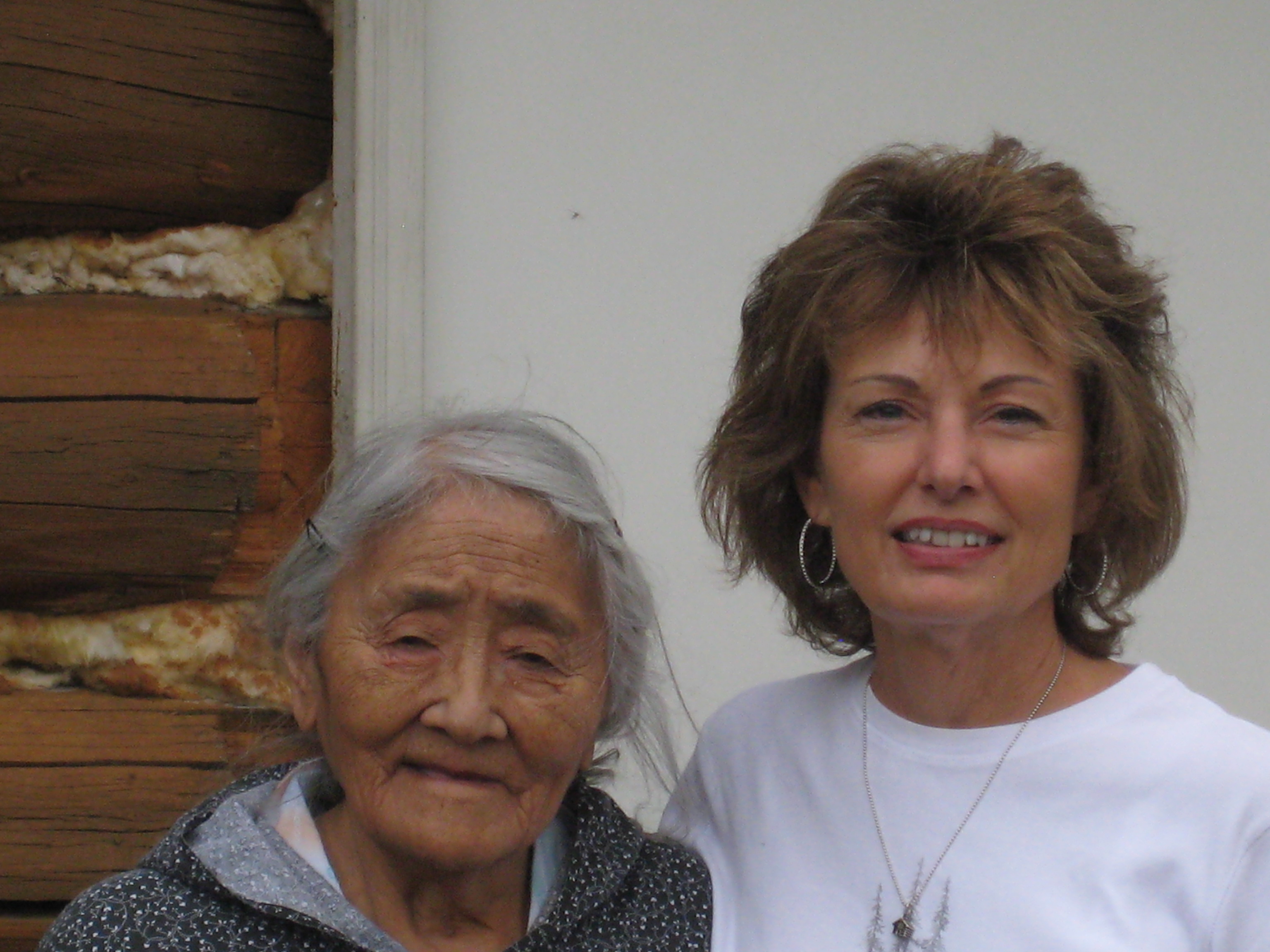
Rhoda Ahgook and Naomi in Anaktuvuk Pass, AK - 2009

Rhoda Ahgook and Naomi in Anaktuvuk Pass, AK – 2009

Twenty-some years I started researching and writing the Anna Bortel Teacher stories. In 2011, ‘A’ is for Alaska: Teacher to the Territory was released. A month ago, January 2013, ‘A’ is for Anaktuvuk: Teacher to the Nunamiut Eskimos arrived on my doorstep.

Over the course of these writing years, I returned to the Alaska settings: To Tanana, Alaska a handful of times and Anaktuvuk Pass, Alaska once.  I worked alongside Anna on countless occasions, both in Denver, CO and in Newberg, OR.

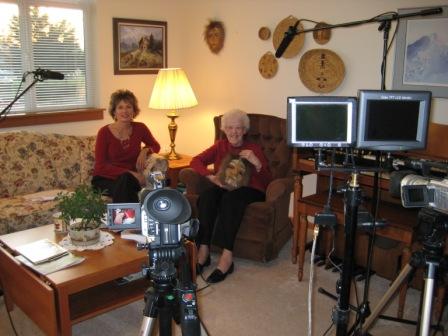
Naomi interviewing Anna and making documentary DVD - 2008

Naomi interviewing Anna and making documentary DVD – 2008

The books had starts and stops, fits, re-boots, and sudden-death.

I did not write with lightening speed of a creative muse. I plodded.

My desire was that the history of the moment be recorded and not lost, while at the same time, the reader turned the pages as if they were fiction.

Most books don’t just-happen.

Most books don’t happen over-night.

Most books don’t happen with a stroke of genius and “I couldn’t put down my pen.”

Most books are like slow and steady crock-pots.

I recently read these non-fiction narrative books:

Hunting Eichmann: How a Band of Survivors and a Young Spy Agency Chased Down the World’s Most Notorious Nazi by Neal Bascomb.

Issac’s Storm: A Man, a Time, and the Deadliest Hurricane in Historyby Erik Larson.

The Last Season by Eric Blehm.

These authors weren’t trying to giddily set a record for the fastest-book-written. No. They soberly met the challenge of doing a technical climb up a “Mt. Everest” of research. They spent years of tedious and careful research gathering, sorting and sifting facts, minutia, observations, speculations, and conversations. Not only was their research done in archives, libraries, and offices with print, photos, and interviews, but at the physical locations of their stories – where they could feel, walk, smell what it was like for their characters.

As if the stories aren’t captivating enough, in the back of each book is a lengthy documentation of phrases, interviews, interaction, and tidbits that were painstakingly woven together in a sequence that makes their non-fiction read like fiction.

For the grand finale of their print and bound accomplishment , the authors don’t pound their chests  and strut in pride; they offer up acknowledgement for the people who assisted them in their research and writing marathon;  not only with materials, permissions, and editing; but most likely with cups of coffee,  help with daily housekeeping tasks,  neck rubs, and some atta-boys. Most likely they used any strutting energy to crawl to the finish line.

These authors are my role models and mentors. They are the ones whose feet I’d like to sit and learn.

Share this:

  • Click to share on Facebook (Opens in new window) Facebook
Like Loading...
← Older posts
Newer posts →

Enter your email address to follow this blog and receive notifications of new posts by email.

Prescription for Adventure Website:

Prescription for Adventure on Facebook:

Prescription for Adventure on Facebook:

Recent Posts

  • Garden Tales
  • Dr. Elmer and Ruby’s Missionary Trip to Russian Mission, Alaska
  • A Chilly Bucket List
  • The Suntanned Farm Girl
  • Wilderness Wife

My Books

Archives

  • April 2023
  • March 2023
  • July 2022
  • December 2021
  • May 2021
  • October 2020
  • August 2020
  • May 2020
  • July 2019
  • June 2019
  • March 2019
  • January 2019
  • December 2018
  • November 2018
  • March 2018
  • August 2016
  • July 2016
  • June 2016
  • May 2016
  • April 2016
  • March 2016
  • December 2015
  • September 2015
  • August 2015
  • July 2015
  • March 2015
  • January 2015
  • October 2014
  • August 2014
  • June 2014
  • May 2014
  • March 2014
  • February 2014
  • January 2014
  • December 2013
  • August 2013
  • July 2013
  • June 2013
  • April 2013
  • March 2013
  • February 2013
  • January 2013
  • December 2012
  • October 2012
  • September 2012
  • August 2012
  • June 2012
  • May 2012
  • April 2012

Categories

  • Adventures
  • Alaska
  • Alaska – Galena
  • Alaska – Tanana
  • Alaska Earthquake
  • Anna Bortel Church
  • Book Reviews
  • Caring and Compassion
  • Everyday life
  • Gaede-80 Homestead
  • Holidays and Special Occasions
  • Inspiring Adventures
  • Kansas
  • Mark
  • Mark Gaede
  • My Books
  • Outdoor Action
  • Personal Growth
  • School Teachers
  • Sibling Relationships
  • Soldotna
  • Telling Our Stories
  • The Bush Doctor's Wife
  • Uncategorized
  • Womens' Safety and Protection
  • Writing Workshops

Create a free website or blog at WordPress.com.

Privacy & Cookies: This site uses cookies. By continuing to use this website, you agree to their use.
To find out more, including how to control cookies, see here: Cookie Policy
  • Subscribe Subscribed
    • Prescription for Adventure
    • Join 25 other subscribers
    • Already have a WordPress.com account? Log in now.
    • Prescription for Adventure
    • Subscribe Subscribed
    • Sign up
    • Log in
    • Report this content
    • View site in Reader
    • Manage subscriptions
    • Collapse this bar
 

Loading Comments...
 

    %d